Methodology
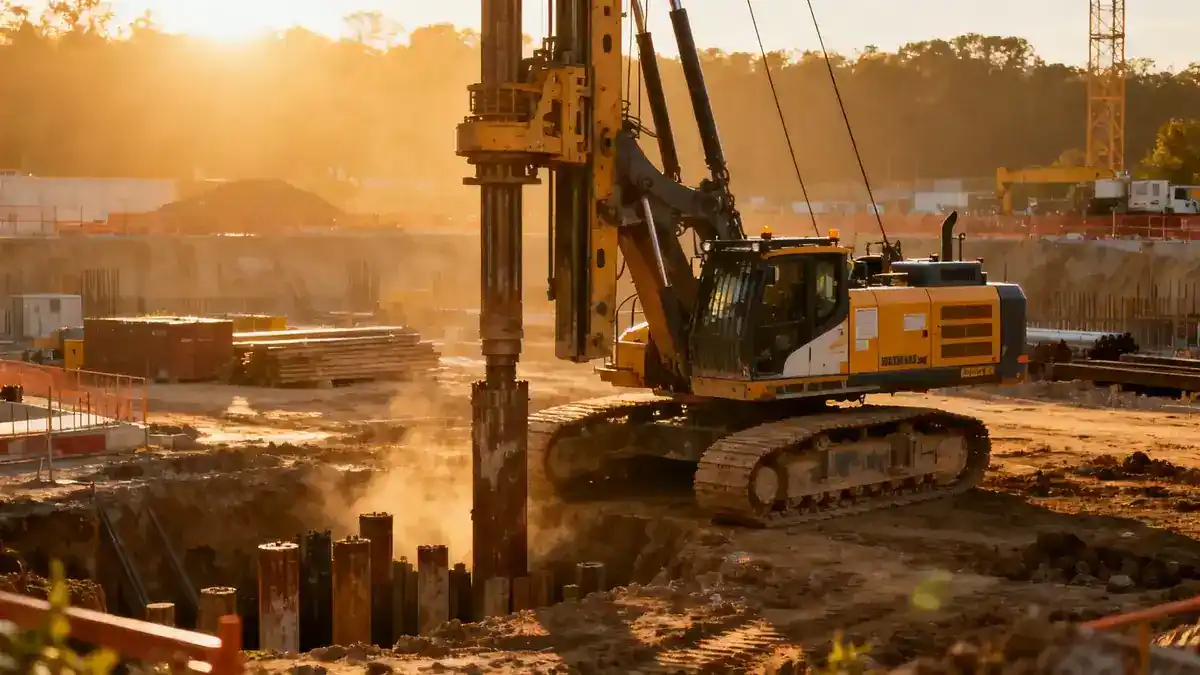
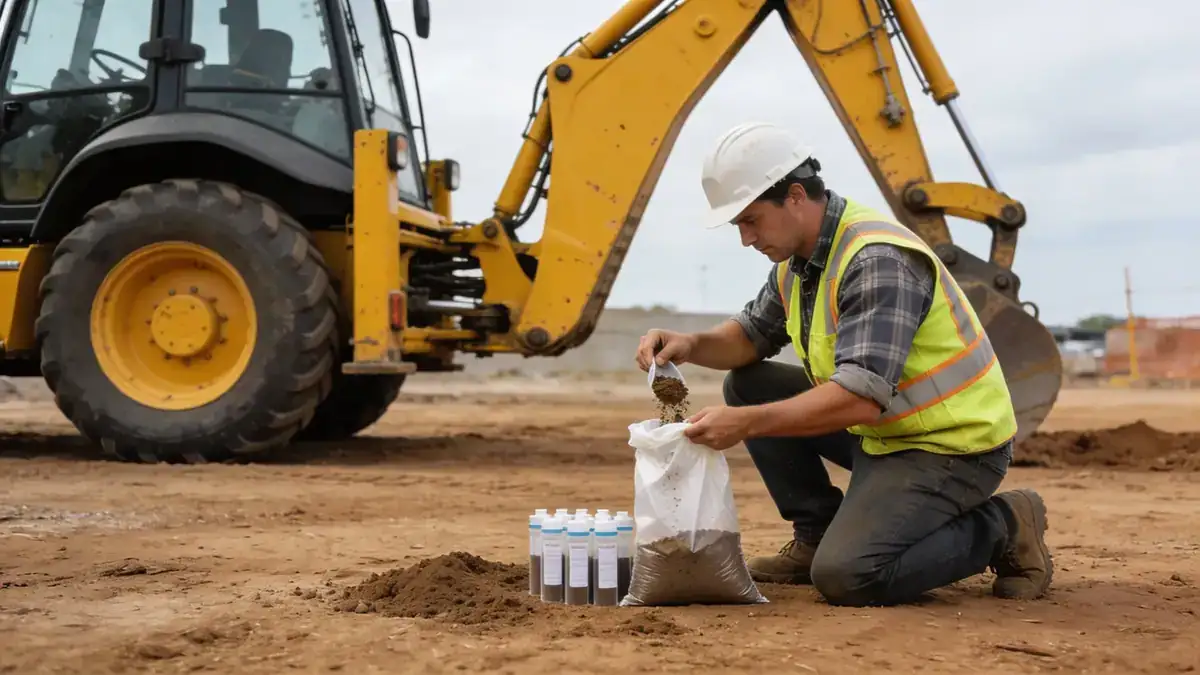
Our methodology for standard penetration test (spt) in Tampa Florida follows ASTM D1586, with split-spoon sampling at 1.0–1.5 m intervals to 15 m depth for typical projects. We assess soil density, strength, and liquefaction potential using N60 corrections, supplemented by cone penetration test (cpt) where continuous profiling is needed. Field procedures include pre-drilling to avoid artesian conditions and careful water level monitoring. All data is reviewed by senior geotechnical engineers to support foundation recommendations for shallow footings, deep piles, or ground improvement in Tampa's coastal plain.
Reference Technical Parameters
| Parameter | Reference Value |
|---|---|
| Predominant soil type | Sand, silty sand, clayey sand (SM, SP, SC) |
| Maximum seismic acceleration (PGA) | 0.15–0.25 g (ASCE 7-16, Site Class D) |
| Typical groundwater level | 1.5–3.0 m below ground surface |
| Bedrock depth | >30 m (deep limestone formation) |
| Typical N60 range | 5–30 blows/0.3 m (variable with depth) |
Local Considerations — Tampa Florida
Tampa's subsurface consists of Holocene sands and Pleistocene marine deposits over limestone bedrock. The high water table (1.5–3 m) necessitates dewatering or casing during drilling. Seismic design per ASCE 7-16 requires Site Class D or E, with PGA up to 0.25 g. Older neighborhoods near the Hillsborough River may contain organic soils or fill, while coastal zones show loose sands prone to liquefaction. For regional coordination, our team also supports projects via standard penetration test en Miami, offering consistent methodology across Florida.
Request a Quote
Our team reviews your project and issues an initial report at no cost.
Or write us directly at [email protected]
Services in Tampa Florida
Applicable Standards
- ASTM D1586
- ASCE 7-16
- Florida Building Code (7th Edition, 2023)
- ASTM D2487 (Unified Soil Classification)
Frequently Asked Questions
What soil conditions are typical for standard penetration tests in Tampa?
Tampa's soils are predominantly sands, silty sands, and clayey sands with occasional limestone layers. The shallow water table often saturates the upper sands, requiring careful SPT execution to avoid disturbance. Typical N60 values range from 5 to 30 blows/0.3 m.
How does seismic design affect SPT requirements in Tampa Florida?
ASCE 7-16 maps Tampa in a moderate seismic zone with PGA up to 0.25 g. SPT data is critical to determine Site Class (D or E) and evaluate liquefaction potential. Our firm ensures blow counts are corrected for overburden and rod length per ASTM procedures to support seismic analysis.
Are standard penetration tests mandatory for construction in Tampa?
The Florida Building Code requires geotechnical investigations for most structures, with SPT being the primary method for subsurface characterization. Local jurisdictions may mandate specific boring depths and spacing depending on building size and soil variability. We assist projects in meeting these requirements efficiently.