Methodology
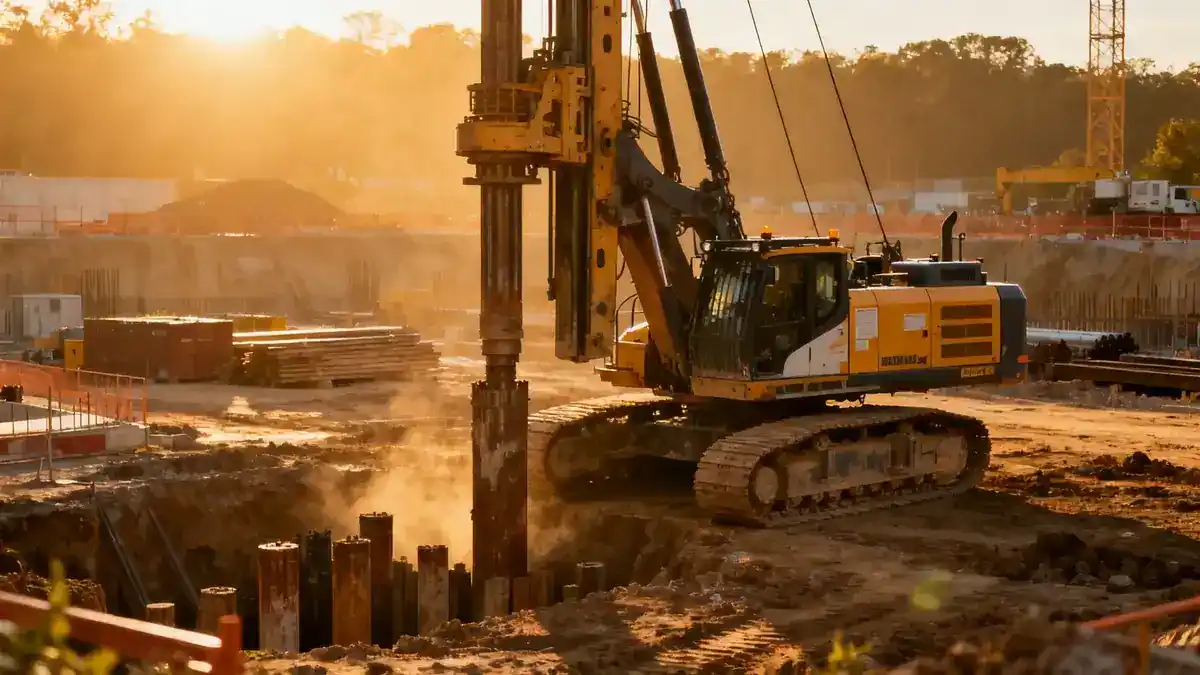
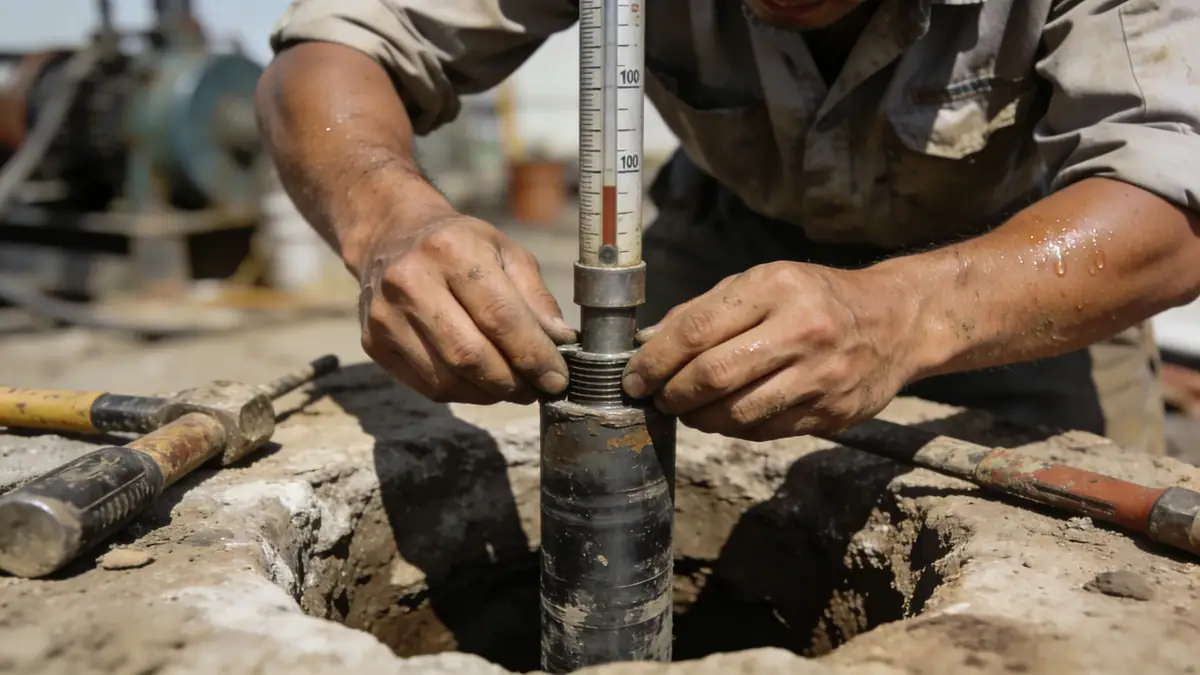
Our methodology for standard penetration test in Fremont follows ASTM D1586, employing a 63.5 kg hammer dropped 0.76 m to drive a split-barrel sampler. We record blow counts (N-value) at 1.5 m intervals, with continuous sampling in critical zones. For soft soils, we may supplement with cone penetration test (cpt) to obtain continuous profiles. Our team selects drilling methods based on site conditions: mud rotary for cohesionless sands or hollow-stem augers for cohesive clays. We also conduct downhole seismic tests to measure shear wave velocity, critical for site classification per ASCE 7.
Reference Technical Parameters
| Parameter | Reference Value |
|---|---|
| Predominant soil type | Alluvial clay, silt, sand; Franciscan Complex bedrock in hills |
| Maximum seismic acceleration (PGA) | 0.4g to 0.6g (site-dependent per ASCE 7) |
| Typical groundwater level | 2 to 6 m below ground surface (varies seasonally) |
| Bedrock depth | 5 to 30 m (shallow in hills, deep in bay plain) |
| Typical N60 range | 5 to 15 (soft to medium stiff clays); 20 to 50 (dense sands) |
Local Considerations — Fremont
Fremont's geology is dominated by Quaternary alluvium in the west and Franciscan Complex bedrock in the east. Our team has extensive experience executing standard penetration test (spt) across both zones. In the bay plain, we often encounter soft clays with N-values below 10 and high groundwater, requiring careful borehole stabilization. In the hills, we address shallow bedrock and potential seismic slope instability. Local seismic hazard maps indicate PGA values up to 0.6g, making site-specific response analysis essential. We have supported numerous residential and commercial projects, adapting our approach to Fremont's diverse subsurface conditions. For comprehensive characterization, we also refer to standard penetration test en Los Angeles.
Request a Quote
Our team reviews your project and issues an initial report at no cost.
Or write us directly at [email protected]
Services in Fremont
Applicable Standards
- ASTM D1586
- ASCE 7
- California Building Code (CBC)
- Alquist-Priolo Earthquake Fault Zoning Act
Frequently Asked Questions
What soil types are commonly found in Fremont?
Fremont's subsurface consists primarily of Quaternary alluvium (clays, silts, sands) in the western plain and Franciscan Complex (sandstone, shale, chert) in the eastern hills. Groundwater levels are generally shallow in the bay plain, ranging from 2 to 6 meters deep.
How does seismic hazard affect standard penetration test requirements in Fremont?
Fremont lies in a high seismic zone with PGA values up to 0.6g. The California Building Code mandates site-specific seismic hazard analysis for many projects. Standard penetration test data is essential for determining site class (A-F) per ASCE 7 and evaluating liquefaction potential in sandy soils.
Is a standard penetration test mandatory for construction in Fremont?
While not always mandatory, a standard penetration test is strongly recommended for most new construction in Fremont, especially in areas with soft soils or near fault zones. The city's building department typically requires geotechnical reports for permits, and SPT data is the industry standard for foundation design.