Methodology
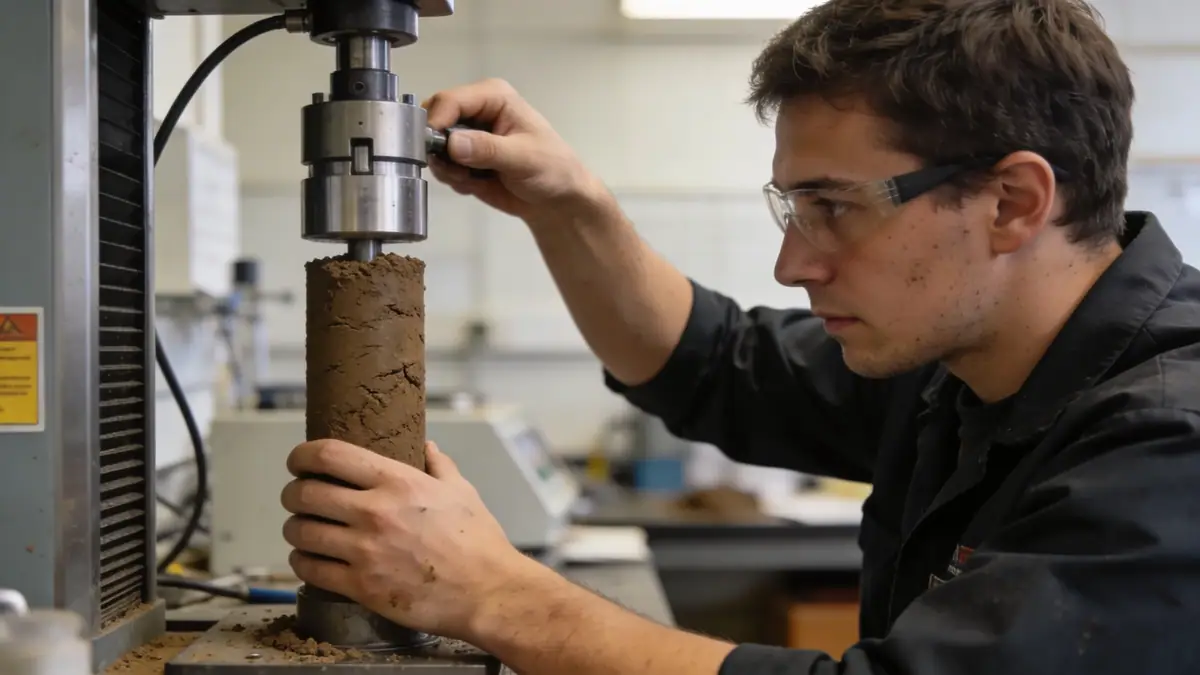
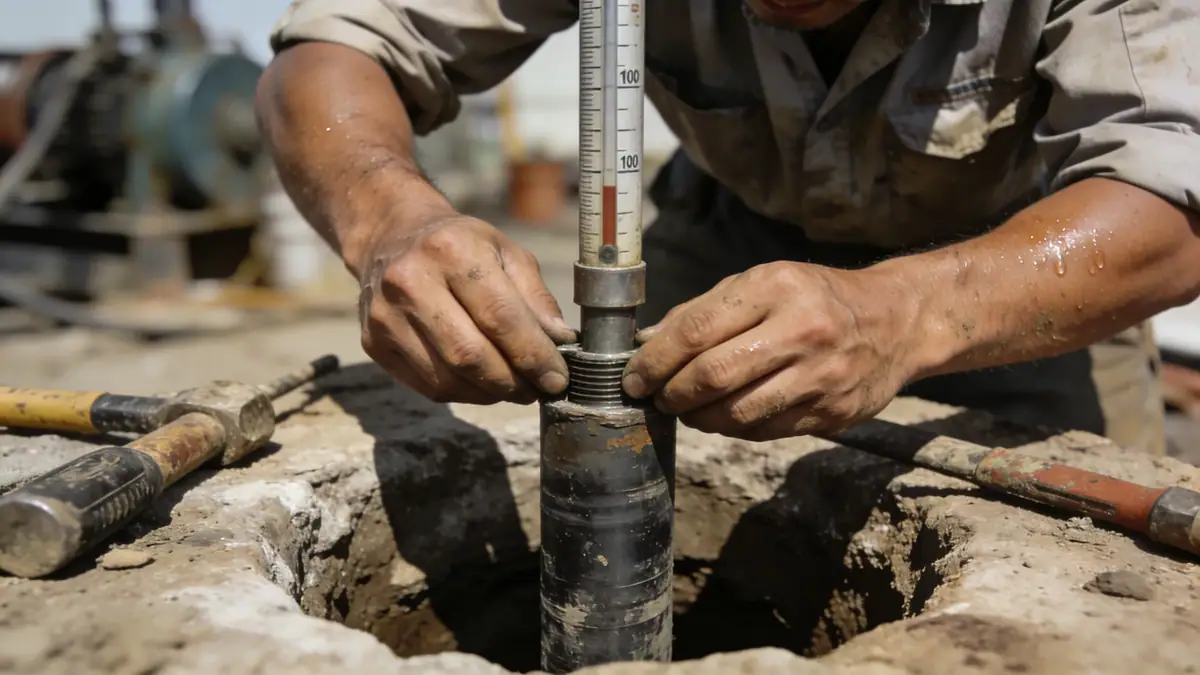
Our methodology for standard penetration test in Santa Clarita follows ASTM D1586, with split-spoon sampling at 1.5-meter intervals to obtain N-values and undisturbed samples. We deploy truck-mounted drill rigs capable of reaching depths up to 30 meters, adapting to the heterogeneous alluvial deposits. Field data is correlated with local seismic parameters to assess liquefaction potential and bearing capacity. For complementary subsurface characterization, we also offer cone penetration test (cpt) to provide continuous stratigraphic profiles. Our team ensures quality control through calibrated hammers and energy measurements, delivering reliable results for foundation design.
Reference Technical Parameters
| Parameter | Reference Value |
|---|---|
| Predominant soil type | Alluvial sands, silts, and gravels with clay lenses |
| Maximum seismic acceleration (PGA) | 0.4g (per ASCE 7-16, Site Class D) |
| Typical groundwater level | 6–12 meters below ground surface |
| Bedrock depth | Variable, typically 15–30 meters |
| Typical N60 range | 10–30 blows per foot in sand layers |
Local Considerations — Santa Clarita
Santa Clarita's geology is dominated by Quaternary alluvium from the Santa Clara River, underlain by Tertiary sedimentary rock. The region's seismic hazard is high due to the San Andreas and San Gabriel faults, requiring site-specific standard penetration test data for liquefaction assessment per ASCE 7. Groundwater levels fluctuate seasonally, often encountered at 6–12 meters, impacting excavation and foundation design. In areas like Valencia and Saugus, colluvial soils on hillslopes present slope stability challenges. Our team integrates these factors into every investigation, and for deeper profiling, we recommend dpsh dynamic probing to assess bearing capacity in gravelly strata. For a broader perspective on regional practices, refer to our standard penetration test en Los Angeles hub.
Request a Quote
Our team reviews your project and issues an initial report at no cost.
Or write us directly at [email protected]
Services in Santa Clarita
Applicable Standards
- ASTM D1586
- ASCE 7-16
- California Building Code (CBC) 2022
- Los Angeles County Seismic Hazard Maps
Frequently Asked Questions
What soil types are commonly encountered in Santa Clarita?
Santa Clarita's subsurface consists mainly of alluvial sands, silts, and gravels, with localized clay lenses. In foothill areas, colluvial soils and weathered sedimentary rock are present. Standard penetration test results show N-values typically ranging from 10 to 30 in sand layers, indicating medium to dense conditions.
Why is seismic hazard analysis important for Santa Clarita projects?
Santa Clarita lies near active faults, including the San Andreas, with a peak ground acceleration of 0.4g per ASCE 7. Standard penetration test data is essential for evaluating liquefaction potential and site class, directly impacting foundation design and compliance with the California Building Code.
Are geotechnical investigations mandatory for construction in Santa Clarita?
Yes, the California Building Code requires site-specific geotechnical reports for most new structures. Standard penetration test is a primary method to characterize soil strength and seismic response. Our firm ensures all investigations meet local and state regulations, providing reliable data for permit approval.