Methodology
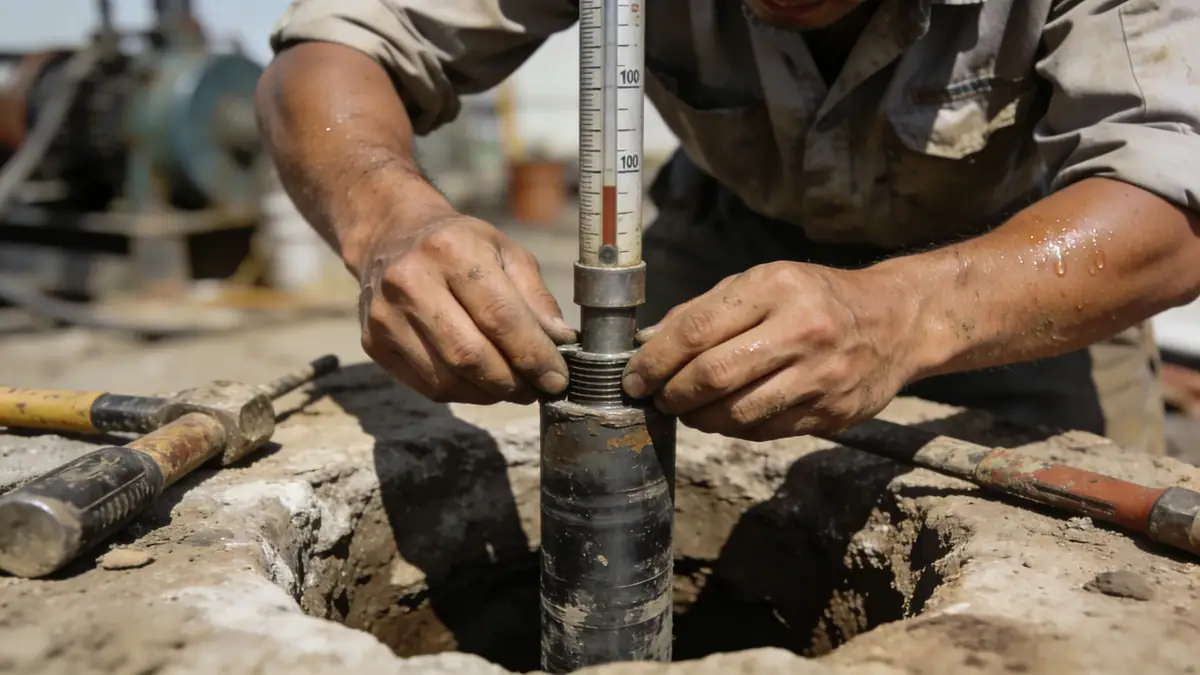
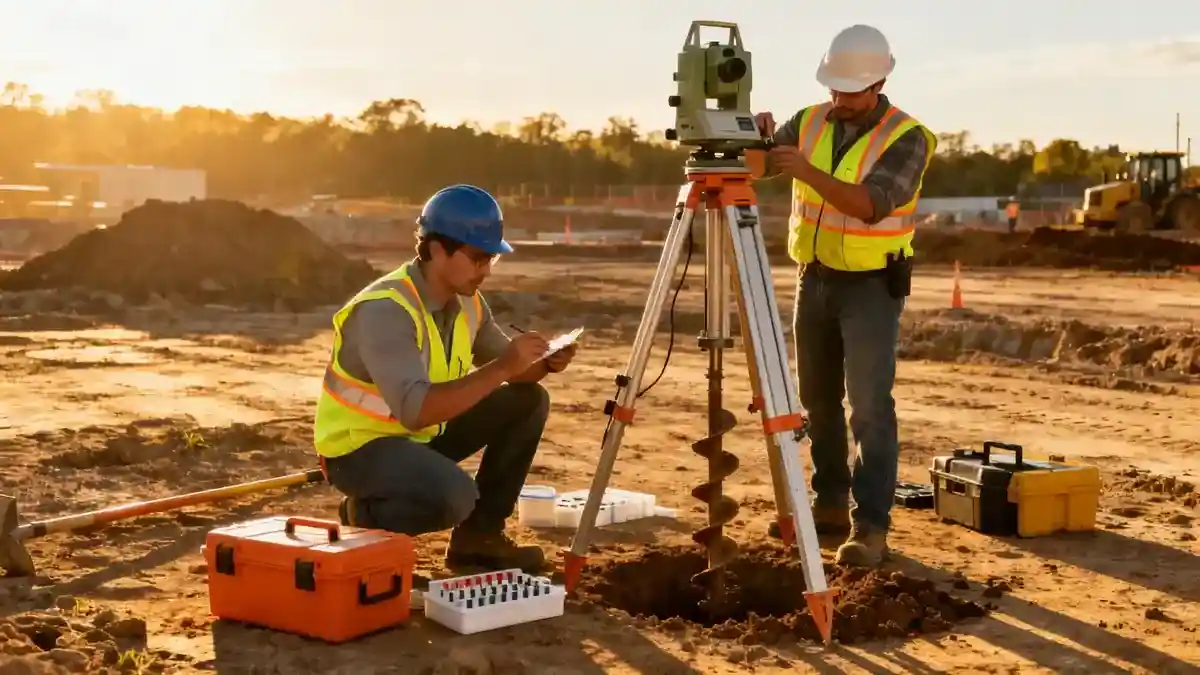
Our methodology for standard penetration test (SPT) in Oakland follows ASTM D1586, with split-spoon sampling at 1.5-meter intervals or as required by project specifics. We employ N60 corrections to account for hammer efficiency and rod length, ensuring comparable blow counts across varied soil conditions. For soft clays or loose sands, we may supplement SPT with cone penetration test (cpt) for continuous profiling. Our field teams coordinate with local drilling contractors to manage access issues in dense urban areas and steep terrain. All data is processed under our quality management system, with results reported in accordance with project specifications and local code requirements.
Reference Technical Parameters
| Parameter | Reference Value |
|---|---|
| Predominant soil type | Recent alluvium (silts, clays, sands) over older marine deposits |
| Maximum seismic acceleration (PGA) | 0.4–0.6 g (ASCE 7-16 Site Class D) |
| Typical groundwater level | 2–5 m below grade in lowland areas; deeper in hills |
| Bedrock depth | 10–30 m in valley; <5 m in hills (Franciscan Complex) |
| Typical N60 range | 5–15 in soft alluvium; 20–40 in dense sands/gravels |
Local Considerations — Oakland
Oakland's geology spans Holocene alluvium in the flatlands to Franciscan bedrock in the hills, with artificial fill along the waterfront. Seismic hazard is high due to the Hayward Fault, requiring SPT data for liquefaction assessment per ASCE 7. Groundwater is shallow near the estuary, complicating excavations. Softer soils in West Oakland contrast with stiffer materials in the hills, demanding varied testing approaches. Our firm has extensive experience in these conditions, and we also offer standard penetration test (spt) services regionally, including standard penetration test en Los Angeles, to support projects across California.
Request a Quote
Our team reviews your project and issues an initial report at no cost.
Or write us directly at [email protected]
Services in Oakland
Applicable Standards
- ASTM D1586
- ASCE 7-16
- California Building Code (CBC)
- OSHA 29 CFR 1926
Frequently Asked Questions
What soil conditions are commonly encountered in Oakland during SPT?
Oakland typically presents recent alluvium (soft clays, silts, loose sands) over older marine deposits or bedrock. In flatlands, fill and organic layers are common, while hillside areas contain colluvium and weathered Franciscan bedrock. SPT helps characterize these variable strata.
Which seismic code governs SPT testing in Oakland?
The California Building Code, based on ASCE 7-16, governs seismic design in Oakland. SPT data is used for site classification (Site Class D or E) and liquefaction assessment. The Hayward Fault proximity requires detailed subsurface investigation for most projects.
Is SPT mandatory for construction projects in Oakland?
While not always mandatory, SPT is strongly recommended for structures in Seismic Design Categories D or higher. Most building departments require a geotechnical report with SPT boring data for foundations, especially in liquefaction-prone areas near the estuary or fill zones.