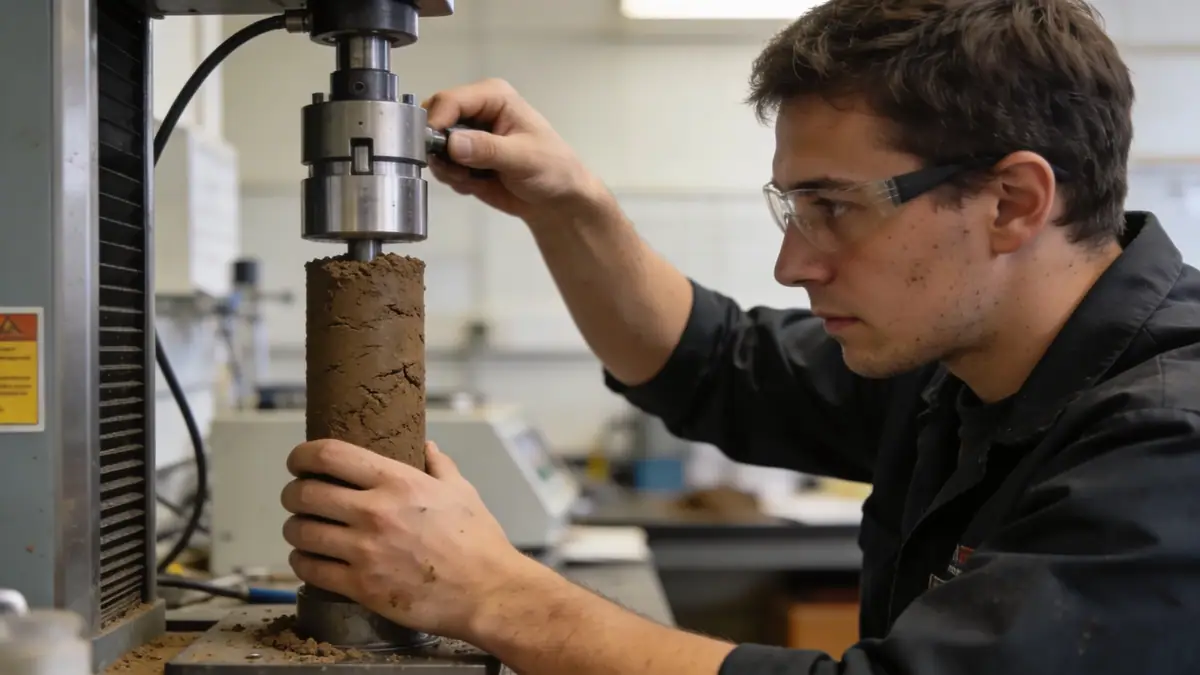
Methodology
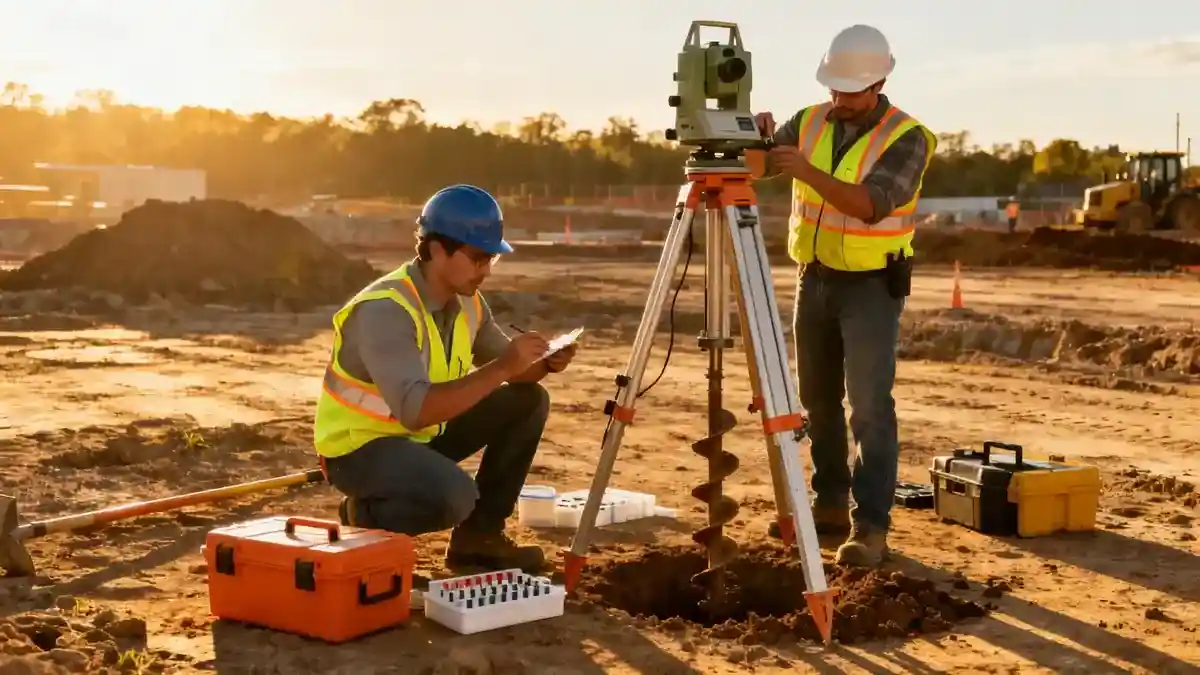
Our standard penetration test methodology in Oceanside follows ASTM D1586, with a safety hammer and automatic trip mechanism to ensure consistent energy delivery. Borings are advanced using hollow-stem augers to the target depth, with SPT sampling at 1.5-meter intervals or at every change in stratum. We record blow counts for each 150-mm increment, summing the final two to obtain N-value. All equipment is calibrated quarterly, and our field technicians log soil types, groundwater levels, and drilling resistance. For a detailed overview of our SPT service, visit our standard penetration test (spt) page.
Reference Technical Parameters
| Parameter | Reference Value |
|---|---|
| Predominant soil type | Coastal: fine to medium sand (SP); Inland: silty sand (SM), gravelly sand (SP) with cobbles |
| Maximum seismic acceleration (PGA) | 0.42g (ASCE 7-16, Site Class D, 2% in 50 years) |
| Typical groundwater level | 1.5–3.0 m below grade in coastal areas; >6 m inland |
| Bedrock depth | >30 m (deep alluvial basin) |
| Typical N60 range | 5–15 blows/ft in fill/sand, 20–50+ in dense sands/gravels |
Local Considerations — Oceanside
Oceanside's near-surface soils consist of Holocene alluvium and beach deposits, with variable thicknesses of loose sands and silts overlying Pleistocene terrace deposits. Shallow groundwater (<3 m) near the coast requires careful dewatering and seepage analysis. Seismic design is critical: the area falls under ASCE 7 Seismic Design Category D, with a mapped PGA of 0.42g. Liquefaction potential is moderate in saturated loose sands, necessitating SPT-based triggering evaluations. Our team routinely performs standard penetration tests to characterize these conditions. For liquefaction assessments, we also offer cone penetration test (cpt) for continuous profiling. Additional insights are available from our standard penetration test en Los Angeles hub, which covers regional practices.
Request a Quote
Our team reviews your project and issues an initial report at no cost.
Or write us directly at [email protected]
Services in Oceanside
Applicable Standards
- ASTM D1586
- ASCE 7-16
- California Building Code (CBC) 2022
- City of Oceanside Municipal Code – Grading and Excavation
Frequently Asked Questions
What soil types are commonly encountered in Oceanside during standard penetration tests?
Oceanside's subsurface typically comprises loose to medium dense fine sand (SP) near the coast, underlain by silty sand (SM) and gravelly sand (SP) with occasional cobbles inland. Fill soils are common in developed areas, requiring careful N-value interpretation for bearing capacity and liquefaction assessment.
How does seismic design in Oceanside influence standard penetration test requirements?
Oceanside is in Seismic Design Category D per ASCE 7, with a PGA of 0.42g. The city code mandates site-specific geotechnical investigations for most structures. SPT N-values are used to determine site class, evaluate liquefaction potential, and derive shear wave velocity correlations, directly impacting foundation and lateral load design.
Are geotechnical studies mandatory for residential construction in Oceanside?
Yes, the City of Oceanside requires a geotechnical report for most new residential construction, additions exceeding 50% of existing floor area, and hillside developments. Standard penetration tests are often specified to verify bearing capacity and seismic site class, especially where liquefaction or slope stability is a concern.