Methodology

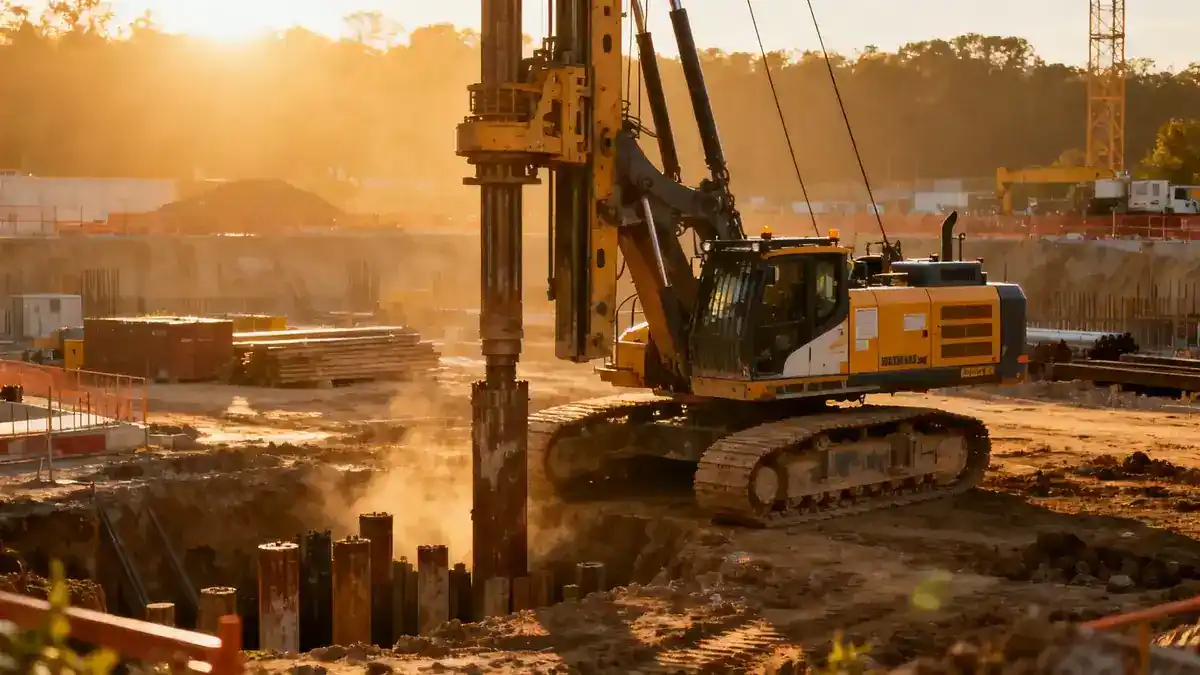
Our approach to standard penetration testing in Anaheim follows ASTM D1586, with sampling intervals typically every 1.0 to 1.5 meters. We assess soil density, consistency, and stratification using SPT N-values, complemented by laboratory tests. This methodology supports foundation design under California Building Code seismic provisions. For deeper investigations, we also offer cone penetration test (cpt) and other advanced techniques.
Reference Technical Parameters
| Parameter | Reference Value |
|---|---|
| Predominant soil type | Alluvial sands, silts, and clays |
| Maximum seismic acceleration (PGA) | 0.4g (per ASCE 7-16) |
| Typical groundwater level | 3–6 meters below surface |
| Bedrock depth | Variable, >30 meters in most areas |
| Typical N60 range | 5–40 blows/ft depending on layer |
Local Considerations — Anaheim
Anaheim’s subsurface consists of Quaternary alluvial deposits from the Santa Ana River, with interbedded sands, silts, and clays. Groundwater is shallow (3–6 m), requiring dewatering considerations for excavations. Seismic hazard is high, with PGA up to 0.4g, necessitating liquefaction assessments per ASCE 7. Older industrial areas may have undocumented fill, while newer developments in Anaheim Hills encounter stiffer soils. Our team has experience across these conditions, supporting projects from low-rise to mid-rise structures. For regional coordination, our standard penetration test en Los Angeles hub provides additional context.
Request a Quote
Our team reviews your project and issues an initial report at no cost.
Or write us directly at [email protected]
Services in Anaheim
Applicable Standards
- ASTM D1586
- ASCE 7-16
- California Building Code (CBC)
- OSHA 29 CFR 1926
Frequently Asked Questions
What are the typical soil conditions encountered during standard penetration testing in Anaheim?
Anaheim’s soils are predominantly alluvial sands, silts, and clays from the Santa Ana River floodplain. Groundwater is typically encountered at depths of 3 to 6 meters, and SPT N-values vary widely, with loose sands (N60 < 10) near the surface and denser layers at depth.
How does seismic design in Anaheim influence the need for standard penetration testing?
Anaheim is in a high seismic zone with PGA up to 0.4g. SPT data is critical for liquefaction hazard assessment and site classification per ASCE 7. The California Building Code requires geotechnical investigations for most structures, making SPT a standard practice.
Are standard penetration tests required for all construction projects in Anaheim?
The California Building Code mandates geotechnical investigations for most new construction, alterations, and additions. SPT is a common method to meet these requirements, especially for projects involving significant loads or seismic risk. Local jurisdictions may have additional specific requirements.