Methodology
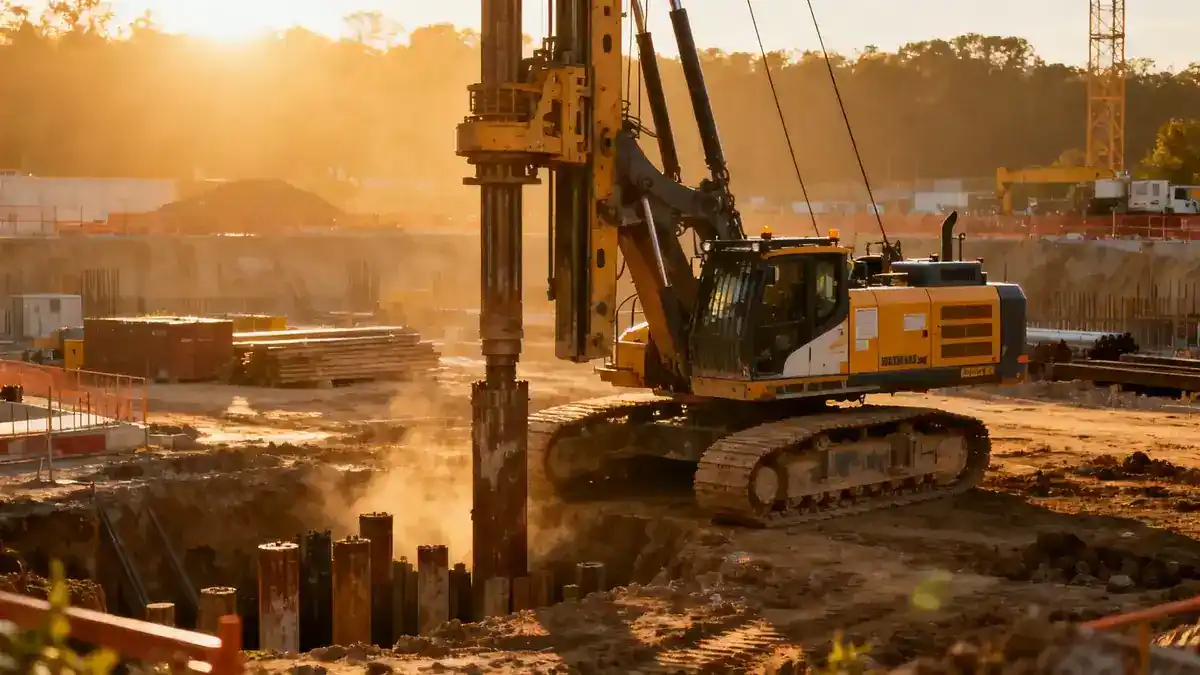
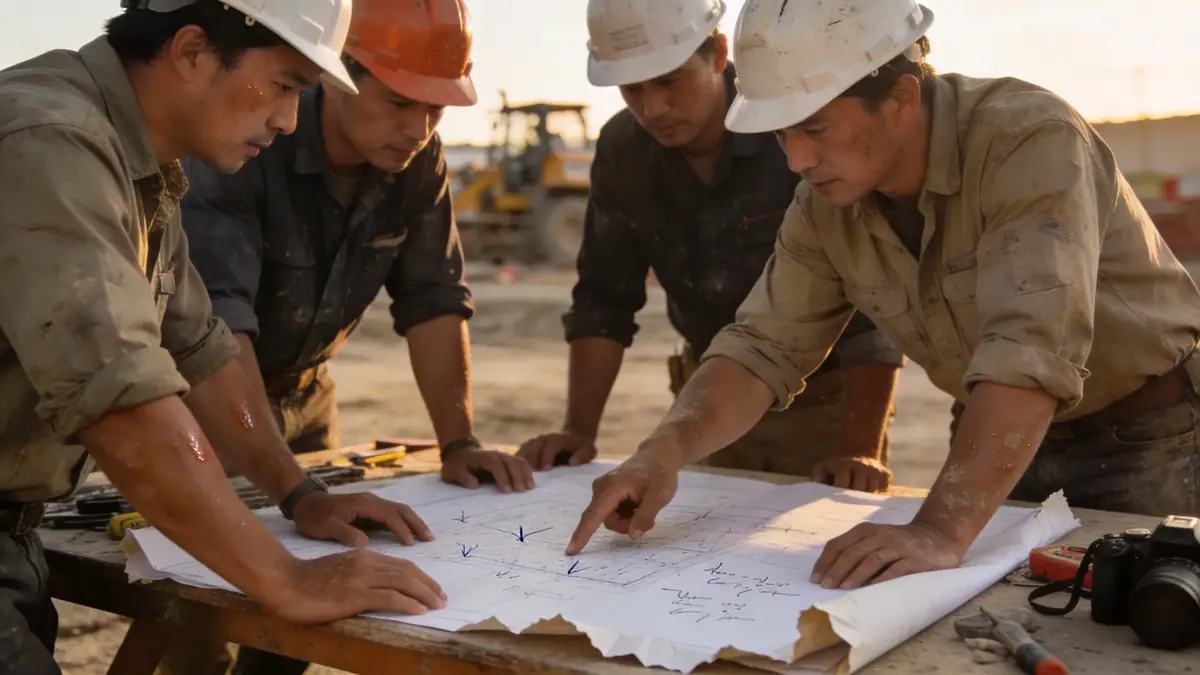
Our methodology for standard penetration test in Torrance adheres to ASTM D1586, ensuring consistent and reproducible soil sampling and penetration resistance measurements. The test involves driving a split-barrel sampler into the subsurface using a 140-pound hammer falling 30 inches, recording blow counts per 6-inch interval. We typically perform SPT at 5-foot intervals to depths of 50 to 100 feet, depending on project requirements. The collected data, including N-values and soil classification, are used to evaluate bearing capacity, liquefaction potential, and settlement. For additional subsurface characterization, we complement our SPT program with cone penetration test (cpt) where continuous profiling is advantageous.
Reference Technical Parameters
| Parameter | Reference Value |
|---|---|
| Predominant soil type | Alluvial sands and silty clays (Holocene) |
| Maximum seismic acceleration (PGA) | 0.4g to 0.6g (ASCE 7-16) |
| Typical groundwater level | 10 to 25 feet below ground surface |
| Bedrock depth | 100 to 300 feet (Miocene shale) |
| Typical N60 range | 5 to 30 blows per foot (sands and clays) |
Local Considerations — Torrance
Torrance sits on Quaternary alluvial deposits underlain by the Palos Verdes Sandstone and Monterey Formation. The water table varies seasonally, typically encountered at 10 to 25 feet depth. Seismic design in Torrance is governed by ASCE 7-16, with a maximum considered earthquake (MCE) peak ground acceleration of 0.4g to 0.6g due to nearby faults. The city enforces strict geotechnical investigation requirements for new construction and additions, particularly in liquefaction-prone zones near the coast. Our team is experienced in working within these constraints, providing data that supports cost-effective foundation solutions. For projects requiring broader regional context, we coordinate with our standard penetration test en Los Angeles operations.
Request a Quote
Our team reviews your project and issues an initial report at no cost.
Or write us directly at [email protected]
Services in Torrance
Applicable Standards
- ASTM D1586
- ASCE 7-16
- California Building Code (CBC) 2022
- City of Torrance Municipal Code Chapter 15
Frequently Asked Questions
What soil conditions are typical for standard penetration test in Torrance?
Torrance soils consist of interbedded sands, silts, and clays of alluvial origin. The upper layers are often loose to medium dense sands, while deeper deposits include stiff clays. Groundwater is encountered at moderate depths, influencing liquefaction assessments.
How does seismic design affect standard penetration test requirements in Torrance?
Torrance lies in a high seismic zone with PGA up to 0.6g. SPT data is critical for evaluating liquefaction potential, site class determination, and dynamic soil properties per ASCE 7. Deeper borings and more frequent SPT intervals are often needed.
Is a geotechnical investigation mandatory for construction in Torrance?
Yes, the City of Torrance requires a geotechnical investigation for most new structures and additions. The report must include SPT borings, soil classification, and seismic hazard analysis. Our firm ensures compliance with local codes and standards.