
Methodology
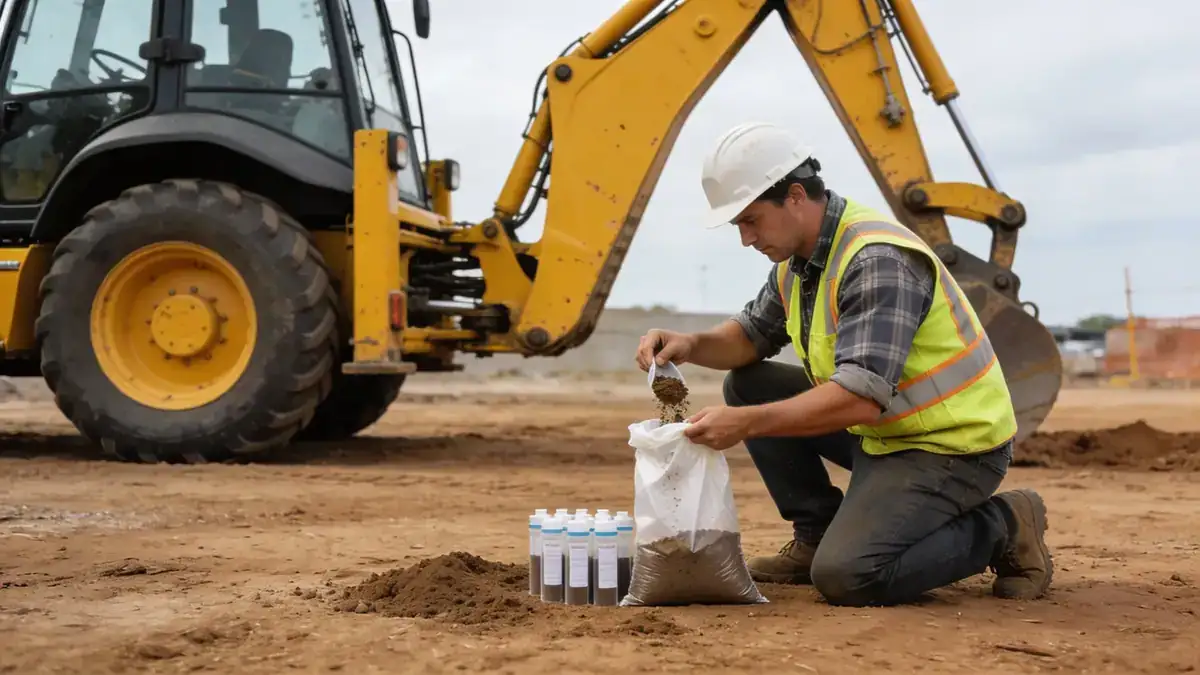
Our methodology for standard penetration testing in Sunnyvale follows ASTM D1586, using automated trip hammers and split-spoon samplers to obtain N-values at 1.5-meter intervals. We integrate standard penetration test (spt) data with local geological maps to assess soil behavior under seismic loading. Continuous monitoring and field logging ensure data integrity, while laboratory tests complement field results for comprehensive geotechnical profiles.
Reference Technical Parameters
| Parameter | Reference Value |
|---|---|
| Predominant soil type | Silty clay and sandy gravel |
| Maximum seismic acceleration (PGA) | 0.4g (ASCE 7) |
| Typical groundwater level | 3–6 meters below grade |
| Bedrock depth | 15–30 meters (Franciscan Complex) |
| Typical N60 range | 10–30 blows per foot |
Local Considerations — Sunnyvale
Sunnyvale's geology consists of young alluvial deposits overlying ancient bay sediments, with shallow groundwater (3–6 m) requiring dewatering for deep borings. Seismic site class D is common, necessitating liquefaction assessments per ASCE 7. Contrasting soil conditions between the downtown area (stiffer clays) and western neighborhoods (looser sands) demand adaptable dpsh dynamic probing methods. Typical projects include tech campus expansions and residential infill, where SPT data informs foundation design and slope stability analyses.
Request a Quote
Our team reviews your project and issues an initial report at no cost.
Or write us directly at [email protected]
Services in Sunnyvale
Applicable Standards
- ASTM D1586
- ASCE 7
- California Building Code (CRC)
Frequently Asked Questions
What soil types are common in Sunnyvale?
Sunnyvale typically features silty clays and sandy gravels from alluvial deposits, with occasional layers of stiff clay and loose sands. Groundwater is shallow, often encountered at 3–6 meters. These conditions require careful SPT sampling to assess liquefaction potential and bearing capacity.
How does seismic code affect SPT requirements in Sunnyvale?
Sunnyvale lies in a high-seismicity zone (PGA up to 0.4g per ASCE 7). The California Building Code mandates site-specific seismic hazard analyses, often requiring SPT borings to at least 30 meters to characterize soil layers and determine site class for design spectra.
Are SPT studies mandatory for construction in Sunnyvale?
Most building permits in Sunnyvale require a geotechnical report including SPT data, especially for structures in Seismic Design Categories D or above. Local ordinances also mandate subsurface investigations for new foundations, additions, and retrofits to mitigate liquefaction and settlement risks.