Methodology
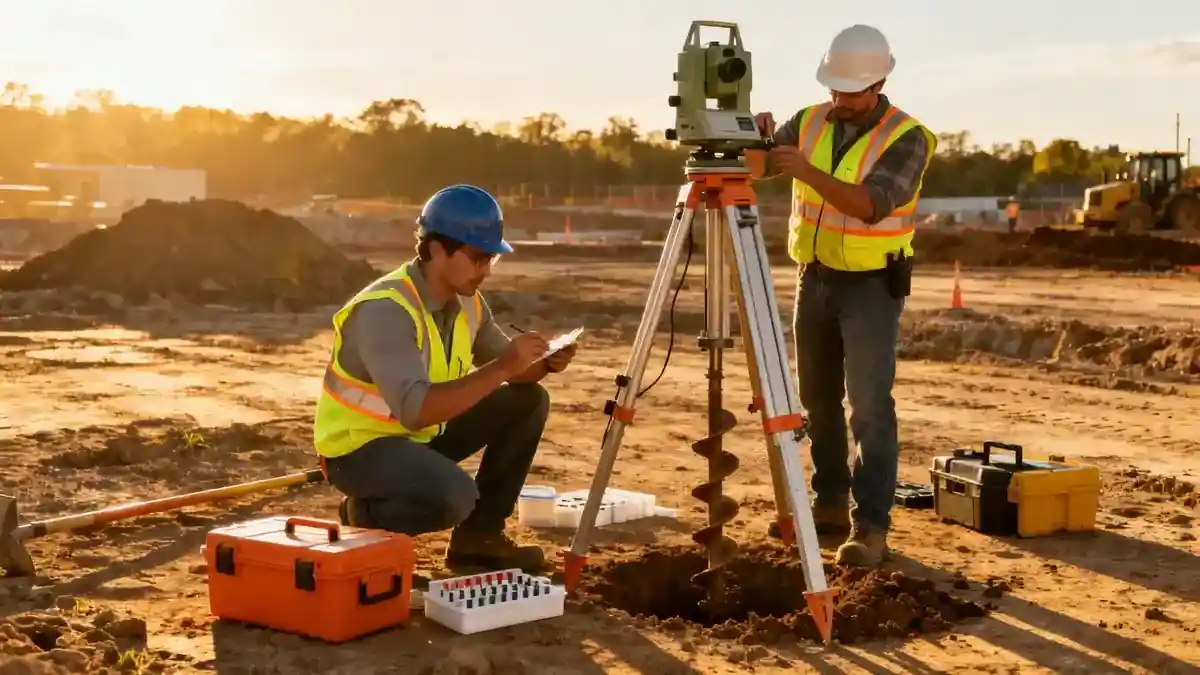
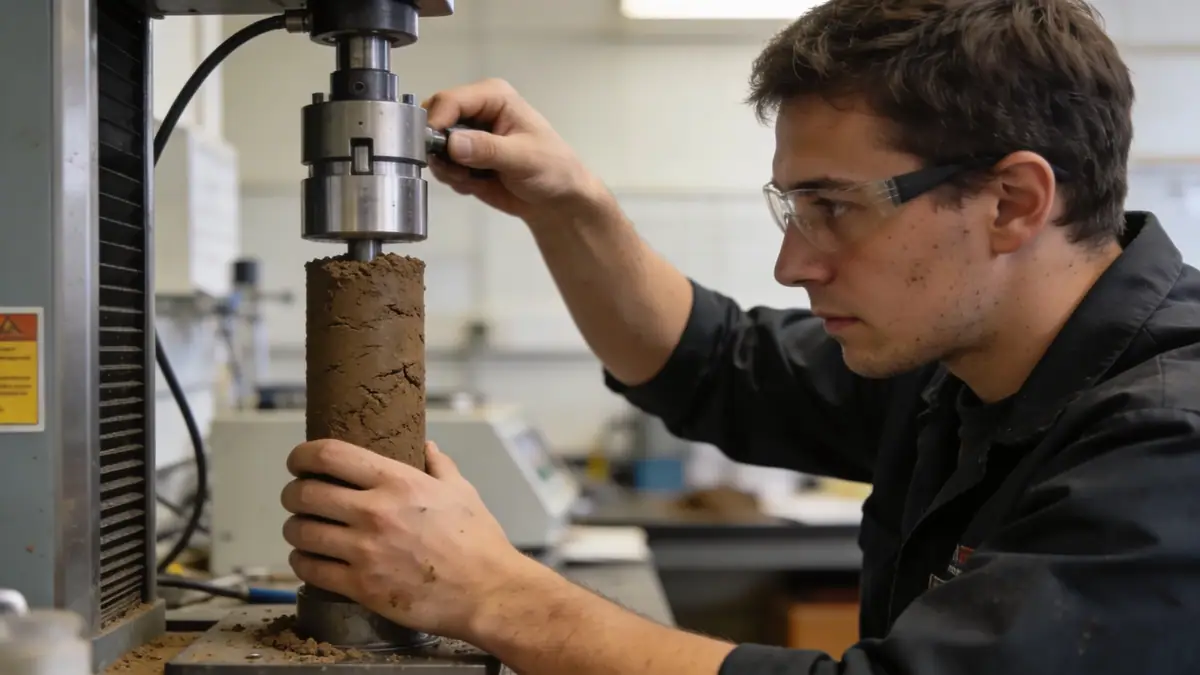
Our methodology for standard penetration test in Santa Ana adheres strictly to ASTM D1586, ensuring consistent energy transmission and accurate N-value determination. We deploy truck-mounted drill rigs with automatic hammers to achieve a 60% energy ratio, performing split-barrel sampling at 1.5-meter intervals to a depth of 15 meters or refusal. Soil samples are retrieved for laboratory classification, including grain size analysis (ASTM D6913) and Atterberg limits (ASTM D4318). For deeper investigations, we integrate cone penetration test (CPT) soundings to obtain continuous stratigraphic profiles. Our approach prioritizes data reliability, supporting engineers in evaluating liquefaction potential, bearing capacity, and settlement under seismic loading.
Reference Technical Parameters
| Parameter | Reference Value |
|---|---|
| Predominant soil type | Alluvial sands, silts, and clays |
| Maximum seismic acceleration (PGA) | 0.4g (ASCE 7-22, Site Class D) |
| Typical groundwater level | 3–6 meters below ground surface |
| Bedrock depth | 30–60 meters (Tertiary sedimentary rock) |
| Typical N60 range | 10–30 blows/0.3m (upper 15m) |
Local Considerations — Santa Ana
Santa Ana's subsurface conditions are shaped by the Santa Ana River floodplain deposits and proximity to the Newport-Inglewood Fault Zone. The soil profile typically consists of loose to medium dense sands overlying stiff clays, with groundwater levels fluctuating seasonally between 3 and 6 meters. Seismic site classification per ASCE 7-22 often results in Site Class D, necessitating site-specific response analysis. Liquefaction potential is moderate in saturated sandy layers during design earthquakes (M6.5–7.0). Our firm has extensive experience navigating these conditions, and we coordinate closely with our standard penetration test en Los Angeles team for region-wide consistency.
Request a Quote
Our team reviews your project and issues an initial report at no cost.
Or write us directly at [email protected]
Services in Santa Ana
Applicable Standards
- ASTM D1586
- ASCE 7-22
- California Building Code 2022
- Santa Ana Municipal Code
Frequently Asked Questions
What soil types are prevalent in Santa Ana for geotechnical investigations?
Santa Ana's alluvial soils consist of interbedded sands, silts, and clays derived from the Santa Ana River. Standard penetration test data typically reveal loose to medium dense sands in the upper 10 meters, underlain by stiff clays and occasional gravel layers. Groundwater is encountered at depths of 3–6 meters, influencing liquefaction assessments.
How does seismic design affect standard penetration test requirements in Santa Ana?
Santa Ana is in Seismic Zone 4 per ASCE 7-22, with a maximum considered earthquake (MCE) spectral response acceleration of 1.5g at short periods. Standard penetration test data are used to determine site class, evaluate liquefaction potential, and derive shear wave velocity correlations, which are critical for site-specific ground motion analysis.
Are standard penetration tests mandatory for building permits in Santa Ana?
The Santa Ana Municipal Code requires geotechnical investigations for most new structures, including single-family homes on expansive soils. Standard penetration tests are the primary method for subsurface characterization, providing N-values essential for foundation design and seismic compliance. The city may waive requirements for minor alterations.