Methodology

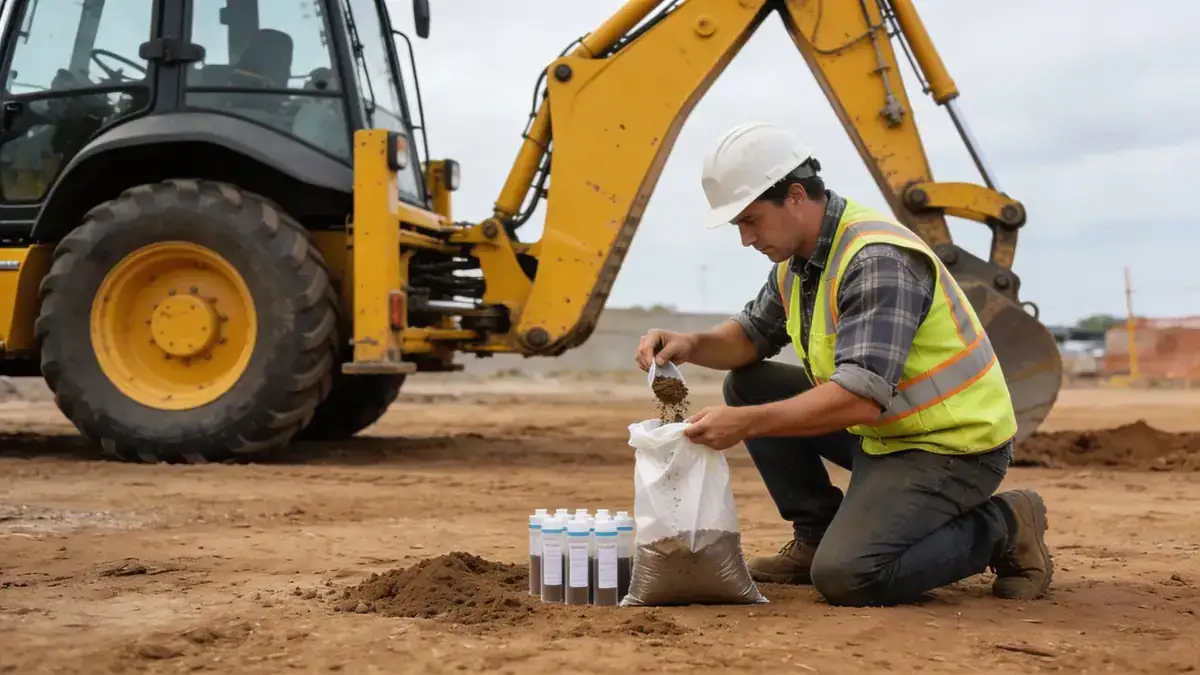
Our methodology for standard penetration test in Pasadena follows ASTM D1586, using a 63.5 kg hammer dropped 0.76 m to drive a split-barrel sampler. We record blow counts per 0.15 m interval to determine N-values, corrected for overburden and hammer efficiency (N60). Our field team performs SPT at 1.5 m intervals to depths of 15–20 m for typical residential projects. Samples are logged and transported to our laboratory for moisture content, grain size, and Atterberg limits. We also integrate cone penetration test (cpt) data where continuous profiling is needed. All results are compiled in a comprehensive geotechnical report with recommendations for foundation type, bearing capacity, and seismic site class per ASCE 7.
Reference Technical Parameters
| Parameter | Reference Value |
|---|---|
| Predominant soil type | Silty sand and clayey gravel (alluvial fan deposits) |
| Maximum seismic acceleration (PGA) | 0.4g to 0.6g (ASCE 7, Site Class D) |
| Typical groundwater level | 15–25 m below grade (variable with season) |
| Bedrock depth | 30–50 m (Tertiary sedimentary rock) |
| Typical N60 range (0–15 m) | 10–40 blows/0.3 m (loose to dense sands) |
Local Considerations — Pasadena California
Pasadena lies on the alluvial fan of the San Gabriel Mountains, underlain by Holocene to Pleistocene deposits. The Raymond fault crosses the southern portion, requiring detailed seismic hazard analysis. Our firm has extensive experience performing standard penetration test (spt) in Pasadena's varied neighborhoods—from dense clays near the Arroyo Seco to gravelly sands in the eastern areas. Typical challenges include shallow groundwater in winter and cobble layers that impede penetration. For projects near the Colorado Street Bridge or Old Town, we adapt sampling intervals to account for fill and variable compaction. Our SPT data directly inform seismic site classification (Site Class D or C) per ASCE 7, essential for structural design in this seismically active region.
Request a Quote
Our team reviews your project and issues an initial report at no cost.
Or write us directly at [email protected]
Services in Pasadena California
Applicable Standards
- ASTM D1586 – Standard Test Method for Standard Penetration Test (SPT)
- ASCE 7 – Minimum Design Loads and Associated Criteria for Buildings
- California Building Code (CBC) – Seismic Design Provisions
Frequently Asked Questions
What soil types are common in Pasadena California for standard penetration test?
Pasadena's subsurface consists primarily of alluvial sands, silts, and gravels deposited by the Arroyo Seco and Eaton Wash. Clay layers are encountered near the Raymond fault zone. SPT N60 values range from 10 to 40 in the upper 15 m, with occasional cobbles requiring careful drilling techniques.
How does seismic design in Pasadena affect standard penetration test requirements?
Pasadena is in Seismic Design Category D or E per ASCE 7 due to nearby faults. SPT data is used to determine Site Class (D or C) and liquefaction potential. Our firm provides blow counts and soil classification to meet CBC Chapter 16 requirements, ensuring foundations resist peak ground accelerations up to 0.6g.
Is a standard penetration test mandatory for residential construction in Pasadena?
While not always mandatory for single-family homes, most municipalities in the San Gabriel Valley require a geotechnical report for new foundations, additions, or hillside developments. Lenders and insurers increasingly demand SPT data to mitigate risk. We recommend SPT for any project with seismic or soil variability concerns.