
Methodology
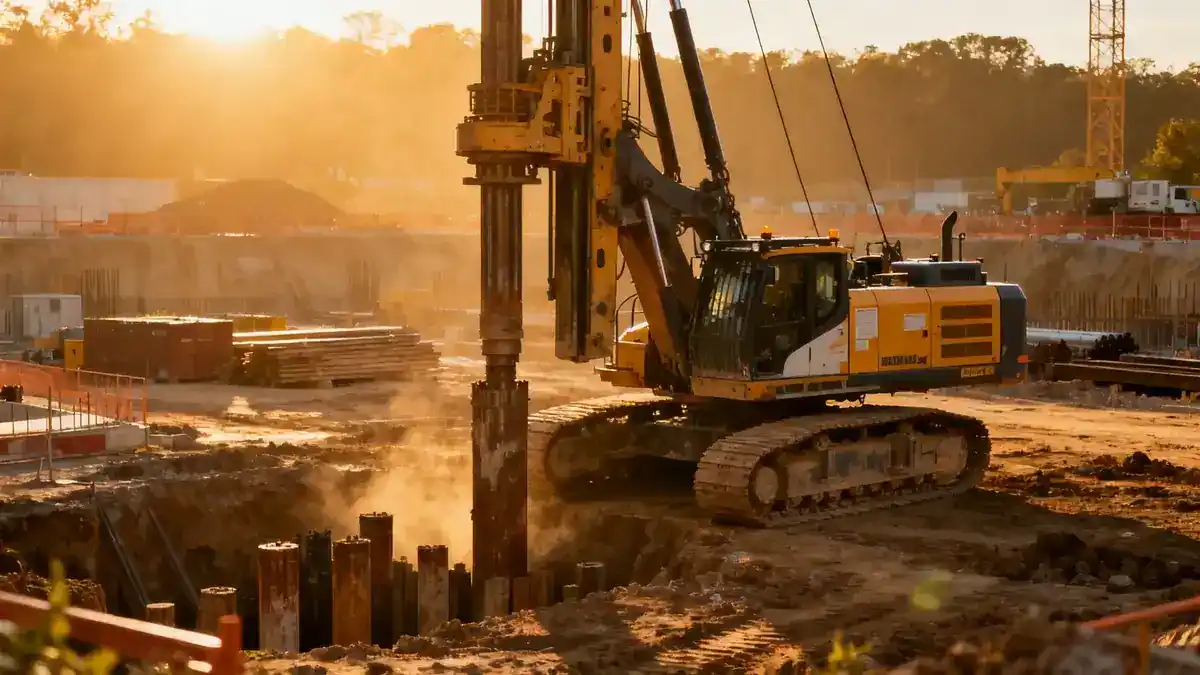
Our team employs the standard penetration test (spt) as a primary method for subsurface investigation in Glendale California. This process involves driving a split-barrel sampler into the soil using a 140-pound hammer dropped from 30 inches, in accordance with ASTM D1586. The N-value obtained is corrected for overburden and energy efficiency to yield N60 values, which are used to estimate soil density, strength, and liquefaction potential. Our methodology integrates continuous sampling intervals of 1.0 to 1.5 meters, with field logs recording blow counts and soil classification. This data forms the basis for foundation design, seismic hazard analysis, and earthwork recommendations, supporting a wide range of projects from residential developments to commercial structures in Glendale.
Reference Technical Parameters
| Parameter | Reference Value |
|---|---|
| Predominant Soil Type | Silty sands (SM) and gravelly sands (SP) with interbedded clays |
| Maximum Seismic Acceleration (PGA) | 0.4g (Site Class D, CBC 2022) |
| Typical Groundwater Level | 10–30 m below ground surface (seasonal variation) |
| Bedrock Depth | Variable; typically 50–200 m to consolidated sedimentary rock |
| Typical N60 Range (Upper 15 m) | 10–40 blows/300 mm (medium dense to very dense) |
Local Considerations — Glendale California
Glendale California's geology presents challenges such as variable soil density and high seismic risk. Our investigations focus on five key aspects: (1) alluvial terrace deposits requiring detailed stratification to avoid differential settlement; (2) shallow groundwater in some valleys necessitating dewatering plans; (3) seismic site classification per ASCE 7-22, with Site Class D prevalent; (4) contrast between older neighborhoods with undocumented fills and newer developments on engineered fills; (5) typical projects include residential expansions and commercial retrofits, where liquefaction potential must be assessed. For broader regional context, our team coordinates with the standard penetration test en Los Angeles hub to ensure consistent methodology across overlapping jurisdictions.
Request a Quote
Our team reviews your project and issues an initial report at no cost.
Or write us directly at [email protected]
Services in Glendale California
Applicable Standards
- ASTM D1586 – Standard Test Method for Penetration Test and Split-Barrel Sampling
- California Building Code (CBC) 2022, Chapter 16 – Seismic Design
- ASCE 7-22 – Minimum Design Loads and Associated Criteria for Buildings and Other Structures
- OSHA 29 CFR 1926 Subpart P – Excavation Safety
Frequently Asked Questions
What soil types are commonly encountered during standard penetration tests in Glendale California?
Glendale California is underlain by alluvial deposits from the San Gabriel Mountains, primarily silty sands (SM), gravelly sands (SP), and occasional clay layers. These soils vary in density and moisture content, requiring careful SPT interpretation for foundation design.
How does seismic design influence standard penetration test requirements in Glendale?
Glendale is in Seismic Zone 4 per the California Building Code, with peak ground accelerations up to 0.4g. SPT data is critical for evaluating liquefaction potential and site classification (Site Class D typical), directly affecting foundation type and reinforcement design.
Are standard penetration tests mandatory for residential projects in Glendale California?
While not always mandatory for all residential projects, most building permits require a geotechnical report per CBC 2022. SPT is the standard method to characterize subsurface conditions, especially for structures in high-seismic areas or with expansive soils.