Methodology
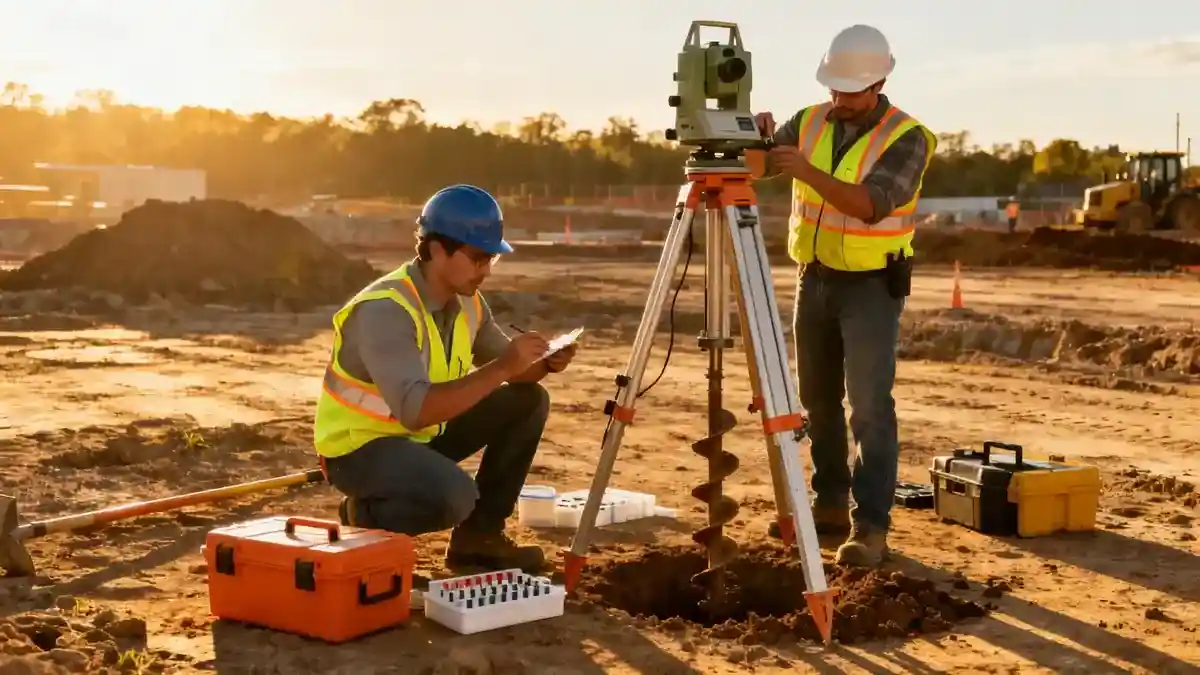
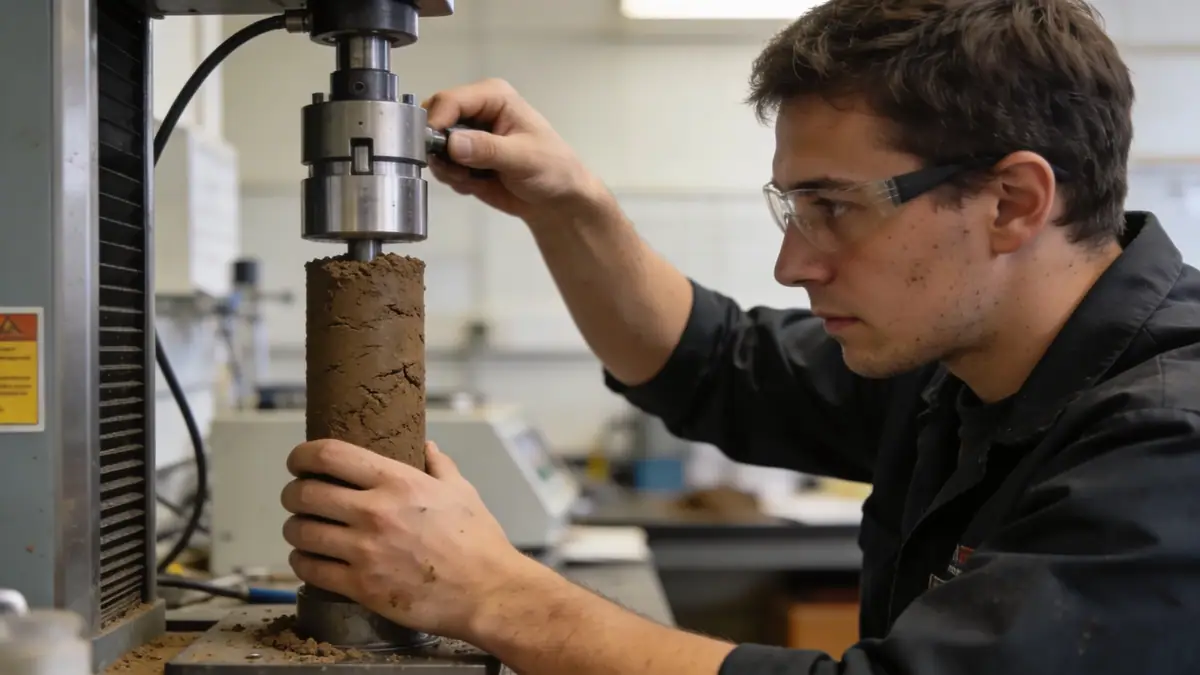
Our approach to standard penetration testing in Stockton follows ASTM D1586 procedures, employing automatic hammers and calibrated equipment to ensure consistent energy delivery. Borings are advanced using rotary wash or hollow-stem auger methods, with SPT sampling at 1.5 m intervals or at changes in stratum. We coordinate with local utility companies and obtain necessary permits before mobilization. Field data are reviewed daily by our senior geotechnical engineers, and samples are logged for moisture content, fines content, and visual classification. For detailed stratigraphic profiling, we often complement SPT with cone penetration test (cpt) soundings. Our reporting includes corrected N60 values, soil classifications per USCS, and recommendations for foundation bearing capacity and liquefaction potential.
Reference Technical Parameters
| Parameter | Reference Value |
|---|---|
| Predominant soil type | Silty clay and sandy silt with organic layers |
| Maximum seismic acceleration (PGA) | 0.4g (per ASCE 7-16, Site Class D) |
| Typical groundwater level | 1.5–3.0 m below ground surface |
| Bedrock depth | >30 m (deep alluvial basin) |
| Typical N60 range | 5–20 blows/300 mm in upper 6 m |
Local Considerations — Stockton
Stockton's subsurface is dominated by Holocene alluvium and Pleistocene terrace deposits, with interbedded silts, clays, and sands. Shallow groundwater is common, requiring dewatering for excavations below 2 m. The region is seismically active due to nearby faults (e.g., San Andreas, Calaveras), with a design PGA of 0.4g for Site Class D. Liquefaction potential is moderate to high in loose saturated sands, necessitating SPT-based analyses. Our firm has extensive experience in the Delta area, including levees and deep foundations. For projects requiring regional coordination, we also provide standard penetration test en Los Angeles services.
Request a Quote
Our team reviews your project and issues an initial report at no cost.
Or write us directly at [email protected]
Services in Stockton
Applicable Standards
- ASTM D1586 (Standard Test Method for SPT)
- ASCE 7-16 (Minimum Design Loads for Buildings)
- California Building Code (CBC 2019)
- ASTM D2487 (Classification of Soils for Engineering Purposes)
Frequently Asked Questions
What soil conditions are typical in Stockton for SPT?
Stockton's soils are primarily alluvial and deltaic deposits, including soft to firm silty clays, loose to medium dense sands, and organic layers. SPT N-values often range from 5 to 20 blows/300 mm in the upper 6 m, with increasing density below.
How does seismic design affect SPT requirements in Stockton?
Given Stockton's high seismic hazard (PGA up to 0.4g), SPT data are critical for evaluating liquefaction potential and site class determination. Per ASCE 7, borings must extend to depths sufficient to assess soil behavior under cyclic loading.
Is a geotechnical investigation mandatory for construction in Stockton?
The California Building Code requires a geotechnical report for most new structures, including single-family homes on expansive soils or in seismic zones. Local jurisdictions may also require SPT borings for foundation design and earthwork compliance.