Methodology
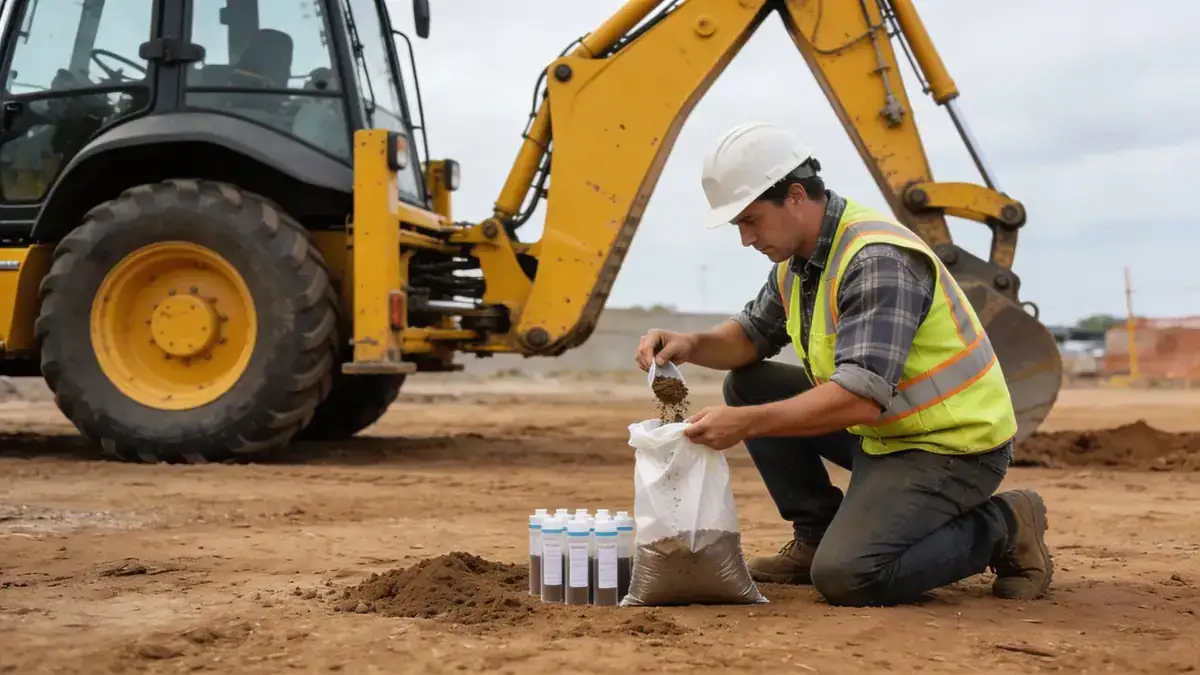
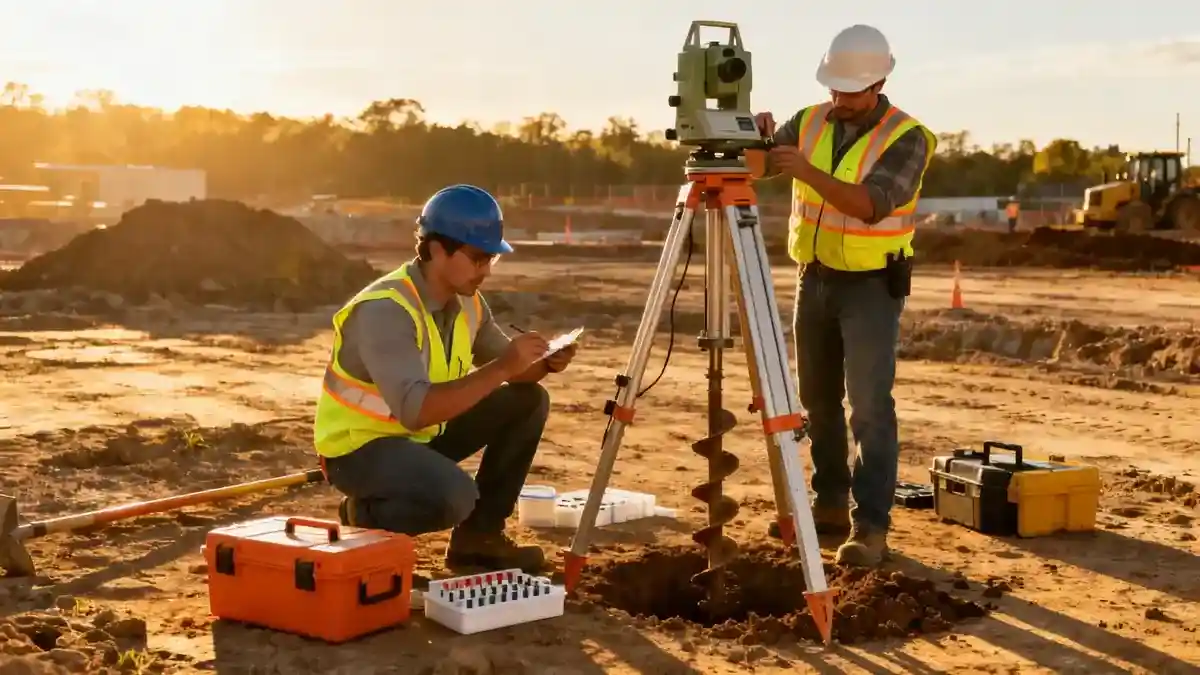
Our methodology for standard penetration test in Pomona follows strict protocols to ensure data integrity. We deploy automatic hammers and calibrated split-spoon samplers, recording blow counts per 6-inch interval per ASTM D1586. Energy efficiency is measured to correct N60 values. For comparative analysis, we also offer cone penetration test (cpt) for continuous profiling. Our integrated approach provides a comprehensive understanding of Pomona's subsurface conditions, from alluvial fans to bedrock.
Reference Technical Parameters
| Parameter | Reference Value |
|---|---|
| Predominant soil type | Silty sand and gravel (SM, GM) |
| Maximum seismic acceleration (PGA) | 0.4g (ASCE 7-16 Site Class D) |
| Typical groundwater level | 5–15 m below surface |
| Bedrock depth | Variable, 30–100 m |
| Typical N60 range | 10–30 blows/ft (alluvial soils) |
Local Considerations — Pomona
Pomona's geology is dominated by Quaternary alluvial deposits from the San Gabriel Mountains, with variable sand and gravel layers overlying consolidated sediments. The water table can be shallow near the Pomona Valley floor, influencing excavation and foundation design. Seismic considerations are critical due to nearby faults such as the San Jose and Elsinore; our standard penetration testing incorporates these factors. The city's contrast between older downtown areas and newer developments requires tailored approaches. Typical projects include school retrofits and commercial expansions. For regional context, we coordinate with our team in Los Angeles for cross-jurisdictional projects.
Request a Quote
Our team reviews your project and issues an initial report at no cost.
Or write us directly at [email protected]
Services in Pomona
Applicable Standards
- ASTM D1586
- ASCE 7-16
- California Building Code (CBC)
- City of Pomona Municipal Code
Frequently Asked Questions
What are the typical soil conditions for standard penetration test in Pomona?
Pomona's soils consist mainly of alluvial sands and gravels with varying silt content. N60 values typically range from 10 to 30 blows per foot, indicating medium dense to dense conditions. Groundwater is encountered at depths of 5 to 15 meters, which can affect borehole stability.
Does Pomona require seismic considerations for standard penetration test?
Yes, Pomona is in a high seismic zone per the CBC. Our standard penetration testing accounts for ASCE 7 Site Class D conditions, with PGA up to 0.4g. We provide N-values for liquefaction assessment and dynamic settlement analysis.
Is standard penetration test mandatory for construction in Pomona?
While not always mandatory, most building permits require geotechnical investigations. Standard penetration test is commonly specified for foundations, retaining walls, and seismic retrofits. Local codes may require SPT for structures in liquefaction-prone areas.