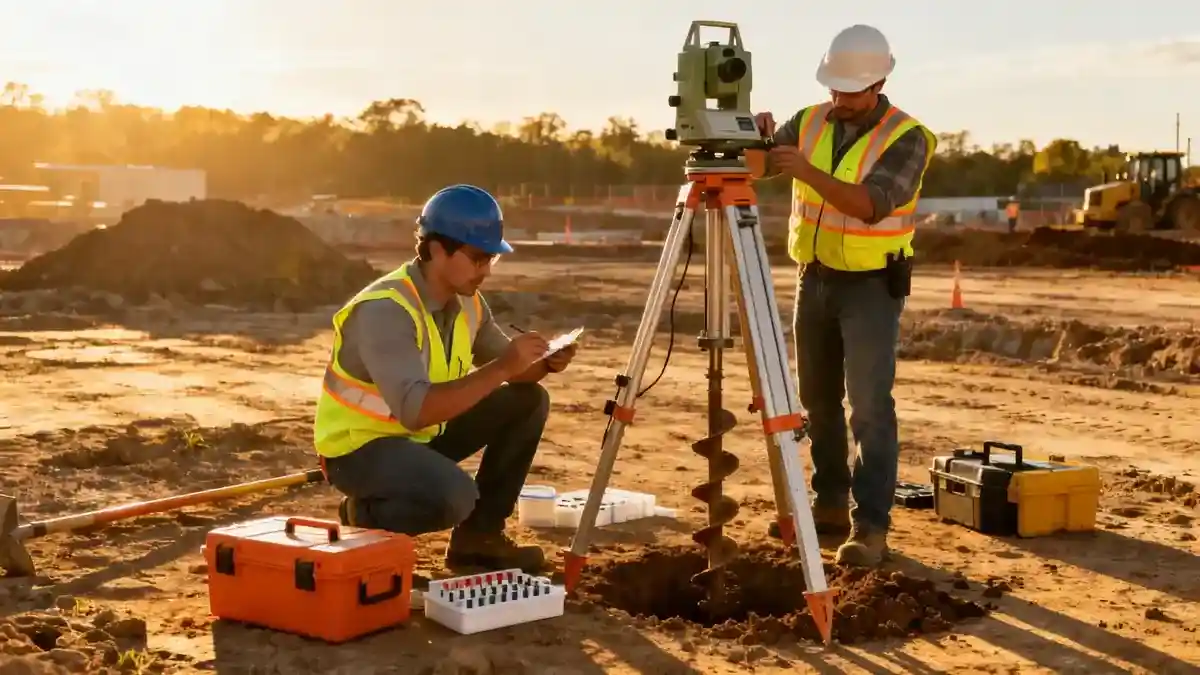
Methodology
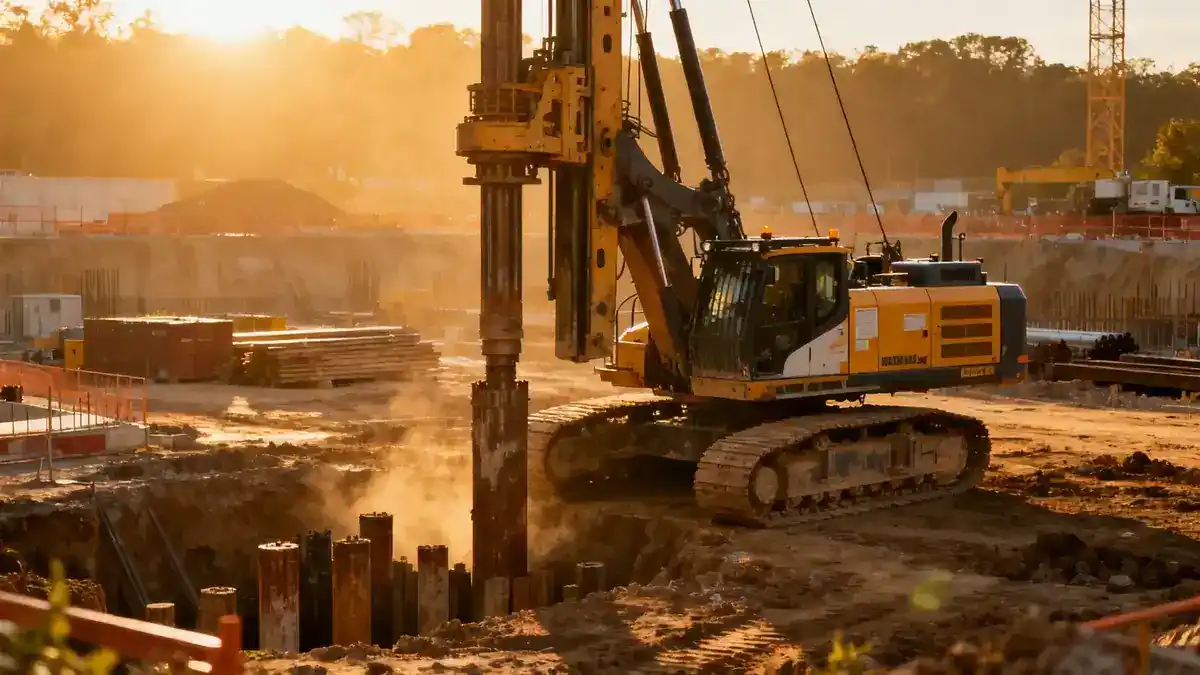
Our methodology for standard penetration test (spt) in Irvine follows strict ASTM D1586 protocols. We perform borings using a 63.5 kg hammer dropped 760 mm to drive a split-spoon sampler, recording blow counts per 150 mm interval. Samples are retrieved for laboratory classification (USCS, moisture content). We integrate SPT data with local seismic parameters, including peak ground acceleration (PGA) from ASCE 7-22, to evaluate liquefaction and settlement potential. Our team ensures proper borehole logging and quality control throughout the investigation. For advanced profiling, we recommend complementing SPT with cone penetration test (cpt) for continuous stratigraphic data.
Reference Technical Parameters
| Parameter | Reference Value |
|---|---|
| Predominant soil type | Alluvial sands, silts, and clays (USCS: SP, SM, ML, CL) |
| Maximum seismic acceleration (PGA) | 0.4g to 0.6g (ASCE 7-22, Site Class D) |
| Typical groundwater level | 3 to 10 meters below ground surface |
| Bedrock depth | >30 meters (deep alluvial basin) |
| Typical N60 range | 5 to 30 blows/300 mm (variable with depth) |
Local Considerations — Irvine
Irvine's geology is dominated by deep alluvial deposits from the Santa Ana River, with interbedded sands, silts, and clays. Groundwater typically sits at 3–10 m, requiring dewatering for deep excavations. Seismic hazard is significant, with PGA up to 0.6g, necessitating liquefaction assessments per ASCE 7-22. Older neighborhoods near the coast may have softer soils, while newer developments in the foothills encounter stiffer materials. Our team has extensive experience with local conditions, and we integrate results with dpsh dynamic probing for rapid profiling in heterogeneous soils. For regional reference, our standard penetration test en Los Angeles services provide broader coverage across Southern California.
Request a Quote
Our team reviews your project and issues an initial report at no cost.
Or write us directly at [email protected]
Services in Irvine
Applicable Standards
- ASTM D1586
- ASCE 7-22
- California Building Code (CBC) 2022
- OSHA 29 CFR 1926
Frequently Asked Questions
What soil types are commonly encountered during SPT in Irvine?
Irvine's subsurface consists primarily of alluvial sands, silts, and clays. These deposits can vary significantly over short distances, so SPT is essential to characterize stratification and obtain reliable N-values for foundation design.
How does seismic risk affect SPT requirements in Irvine?
Irvine lies in a high seismic zone with PGA up to 0.6g. SPT data is used to evaluate liquefaction potential, cyclic softening, and settlement under seismic loading, as required by ASCE 7-22 and the California Building Code.
Is a geotechnical investigation mandatory for residential construction in Irvine?
Yes, the California Building Code typically requires a geotechnical report for new structures. SPT is a primary method to determine soil bearing capacity and seismic site class, ensuring compliance with local regulations.