Methodology

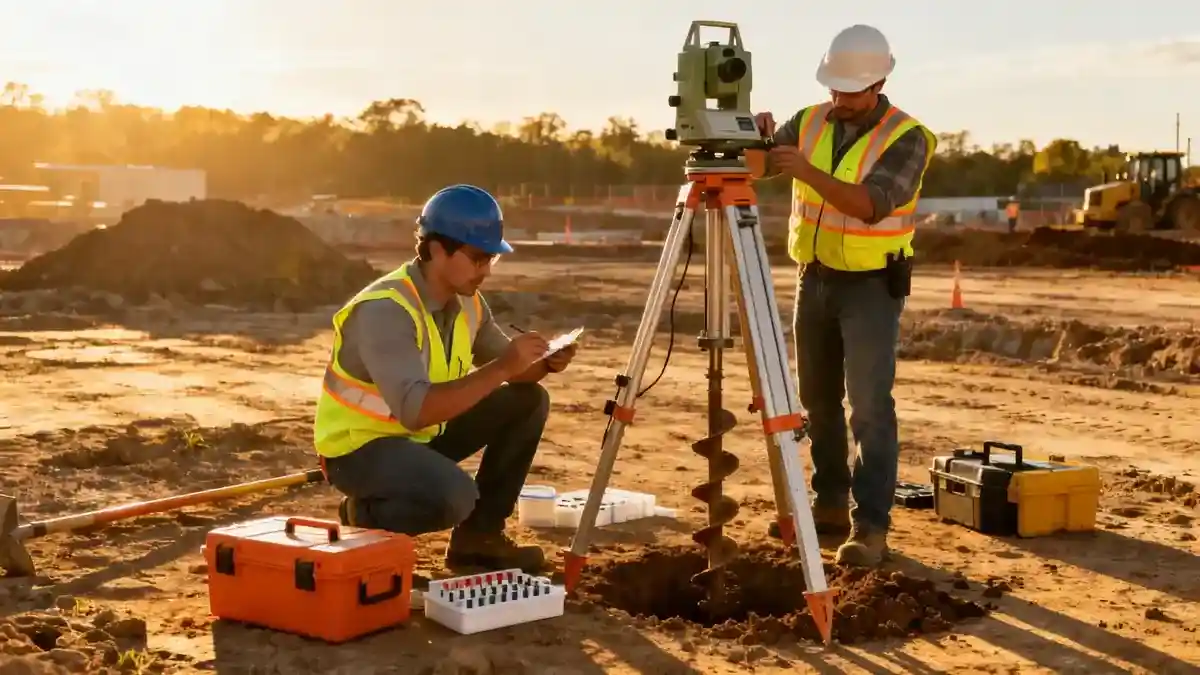
Our methodology for standard penetration test (SPT) in Honolulu adheres strictly to ASTM D1586. We employ automatic trip hammers with energy calibration to ensure consistent N60 values. Boreholes are advanced using rotary wash or hollow-stem auger methods, with SPT sampling at 1.5-meter intervals or at changes in stratum. Soil recovery and field logging follow ASTM D2488, with careful observation of groundwater levels. For projects requiring continuous profiling, we integrate cone penetration test (cpt) data to complement SPT results. Our team maintains rigorous quality control, including hammer energy verification and calibration records, to guarantee repeatable and defensible data for Honolulu's complex subsurface conditions.
Reference Technical Parameters
| Parameter | Reference Value |
|---|---|
| Predominant soil type | Volcanic ash, clayey silt, and basalt-derived sands |
| Maximum seismic acceleration (PGA) | 0.4g to 0.6g (ASCE 7, Site Class D) |
| Typical groundwater level | 1.5 to 6 meters below grade |
| Bedrock depth | 5 to 30 meters (variable) |
| Typical N60 range | 5 to 50 blows per 0.3 m |
Local Considerations — Honolulu
Honolulu's geology is dominated by volcanic formations from the Koʻolau Range, with soils ranging from highly weathered clayey silts (residual soils) to coral sand deposits along the coast. The high water table in areas like Waikīkī and Mapunapuna requires careful dewatering and SPT corrections for effective stress. Seismic hazard is significant, with peak ground accelerations up to 0.6g, necessitating detailed liquefaction assessments. Our team has extensive experience across diverse neighborhoods—from deep basalt profiles in Nuʻuanu to loose alluvial fills in Iwilei. For regional coordination, we collaborate with our standard penetration test en Los Angeles team to ensure consistent quality across Pacific projects.
Request a Quote
Our team reviews your project and issues an initial report at no cost.
Or write us directly at [email protected]
Services in Honolulu
Applicable Standards
- ASTM D1586
- ASCE 7
- Hawaii State Building Code (IBC-based)
- ASTM D2488
Frequently Asked Questions
What are the typical soil conditions encountered in Honolulu for SPT?
Honolulu's soils are primarily volcanic in origin, including stiff to hard clays, silty sands, and weathered basalt. Near the coast, coral sands and marine clays are common. The SPT N60 values can range from 5 in soft clays to over 50 in dense sands or highly weathered rock.
How does seismic design influence SPT testing in Honolulu?
Honolulu is in a high seismic zone (ASCE 7 Seismic Design Category D or E). SPT data is critical for determining site class, assessing liquefaction potential, and calculating design spectra. Our SPT program includes energy correction and fines content analysis to meet these requirements.
Is SPT required for all construction projects in Honolulu?
The Hawaii State Building Code requires a geotechnical investigation for most structures, especially those in seismic design categories C, D, or E. SPT is the standard method for subsurface characterization and is typically mandatory for commercial buildings, multi-story residential, and infrastructure projects.