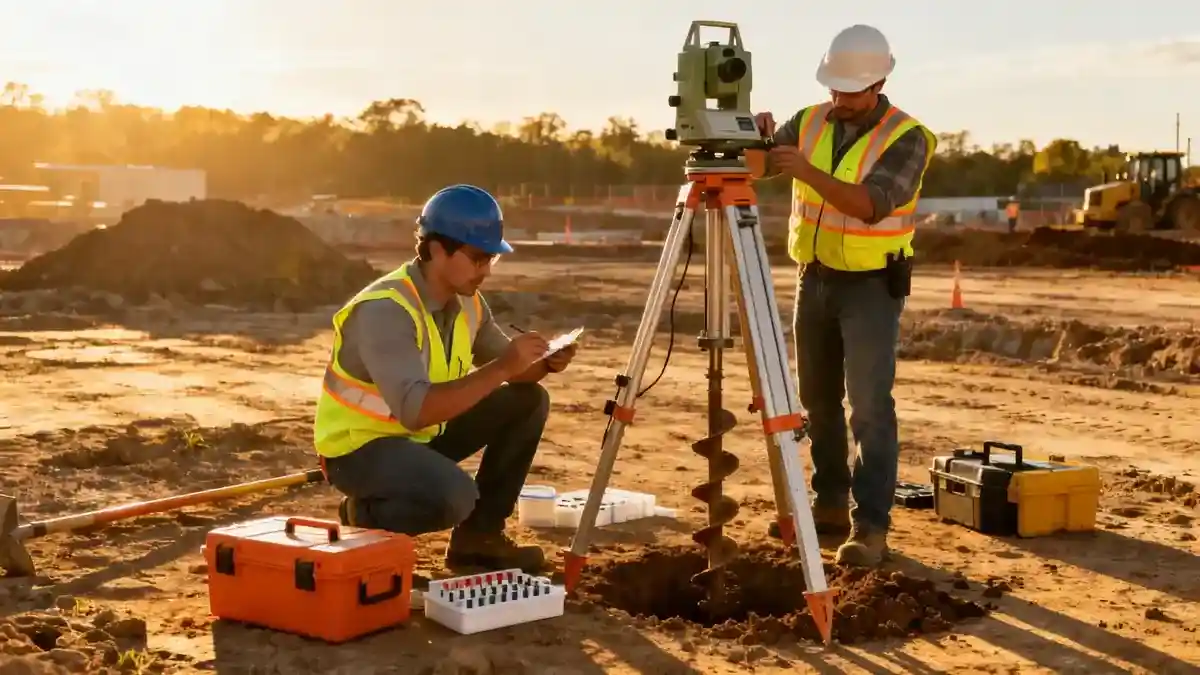
Methodology
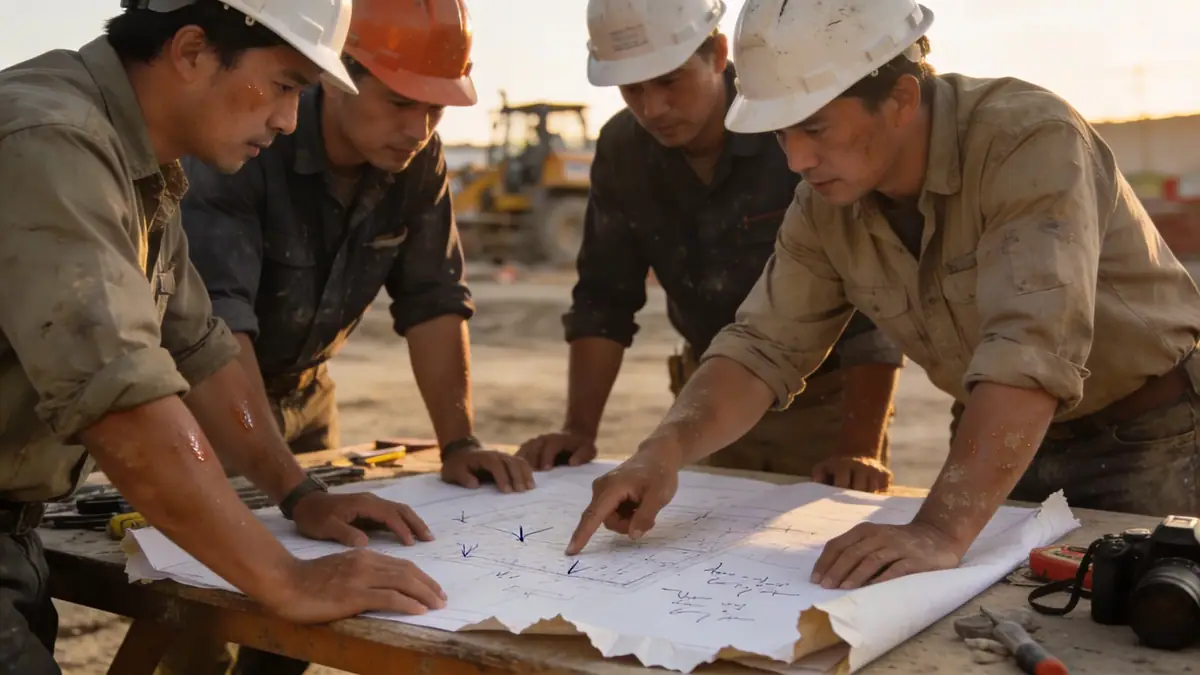
Our methodology for standard penetration testing in San Francisco follows ASTM D1586, employing a 63.5 kg hammer dropping 0.76 m to drive a split-spoon sampler. We record blow counts (N-value) at 1.5 m intervals or at each soil change, with corrections for overburden and hammer energy efficiency (N60). This data is integrated with continuous core logging and laboratory testing to develop soil profiles and shear wave velocity correlations. For projects requiring high-resolution stratigraphy, we complement our program with cone penetration test (cpt) soundings. Our approach ensures compliance with local building codes and seismic hazard maps.
Reference Technical Parameters
| Parameter | Reference Value |
|---|---|
| Predominant soil type | Bay mud, sand, and fill |
| Maximum seismic acceleration (PGA) | 0.6g (ASCE 7-16) |
| Typical groundwater level | 2–5 m below surface |
| Bedrock depth | 10–50 m (variable) |
| Typical N60 range | 5–30 blows/ft (sand) |
Local Considerations — San Francisco
San Francisco's geology is dominated by the Franciscan Complex, with serpentinite, greywacke, and shale, overlain by marine terrace deposits and artificial fill. The city's seismic setting—near the San Andreas and Hayward faults—requires rigorous liquefaction assessment per ASCE 7 and CBC. Groundwater levels fluctuate seasonally, affecting excavation stability. Our team integrates standard penetration test results with seismic hazard analysis to evaluate soil strength and settlement. For projects in the Marina District or SoMa, where fill is common, we recommend additional dpsh dynamic probing to map variability. We also coordinate with local geotechnical engineers to address regulatory requirements. Our standard penetration test en Los Angeles team supports regional projects across California.
Request a Quote
Our team reviews your project and issues an initial report at no cost.
Or write us directly at [email protected]
Services in San Francisco
Applicable Standards
- ASTM D1586
- ASCE 7-16
- California Building Code (CBC)
- San Francisco Building Code (SFBC)
Frequently Asked Questions
What soil types are common in San Francisco and how do they affect SPT results?
San Francisco has fill, bay mud, sand, and bedrock. Fill and bay mud yield low N-values (2–10), indicating soft, compressible soils. Dense sands can show N60 > 30. Understanding these variations is critical for foundation design.
How does seismic design in San Francisco influence standard penetration testing requirements?
The city's high seismicity (PGA up to 0.6g) demands liquefaction assessment per ASCE 7. SPT data is used to evaluate cyclic resistance ratio (CRR) and site class. Testing must extend to competent strata or bedrock to capture full soil profile.
Are standard penetration tests mandatory for all construction projects in San Francisco?
Yes, for most new buildings and major retrofits, the SFBC requires geotechnical investigation including SPT. The depth and number of tests depend on structure size and soil conditions. Our firm ensures compliance with local permit requirements.