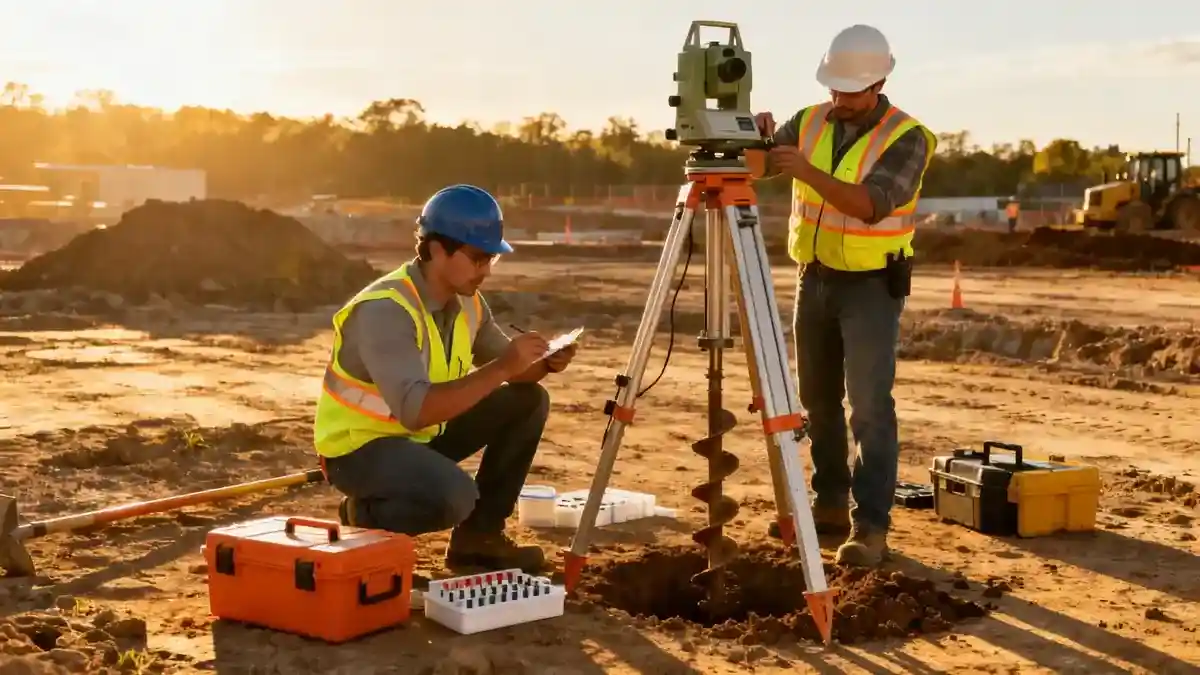
Methodology
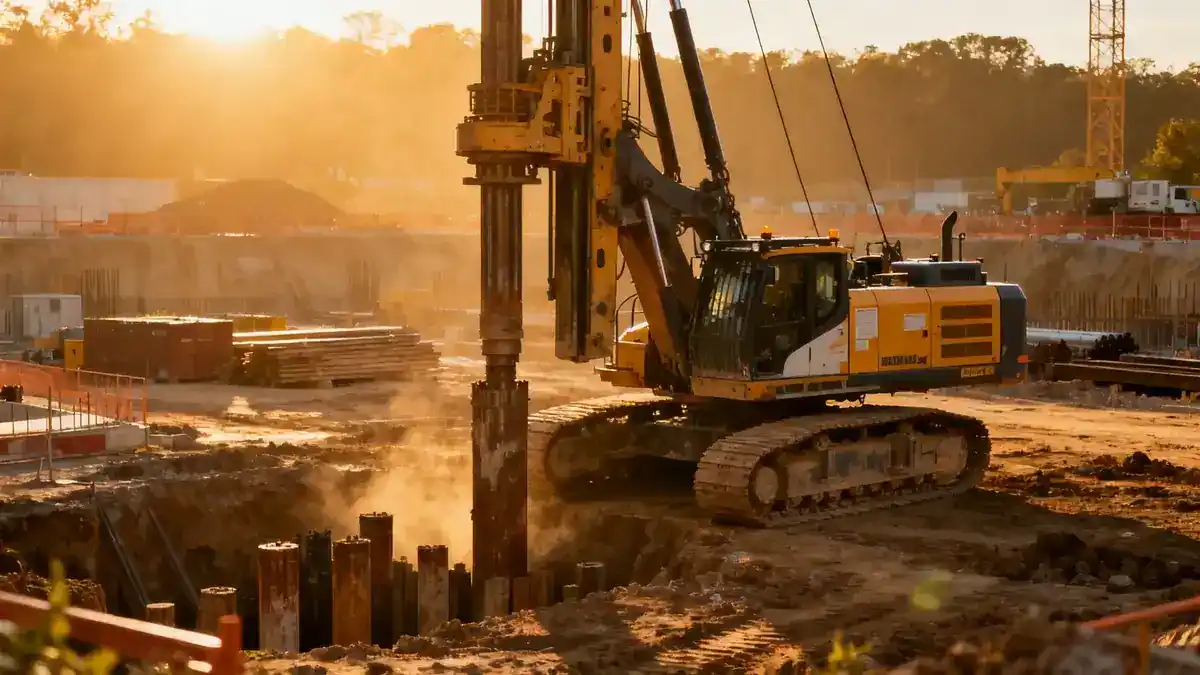
Our methodology for standard penetration test in Henderson Nevada follows ASTM D1586, with a safety hammer and automated trip system to minimize energy variations. Boreholes are advanced using hollow-stem augers or mud rotary techniques, with SPT sampling at 1.5-meter intervals or at every change in stratum. Soil samples are classified visually and logged in accordance with the Unified Soil Classification System. We also offer complementary methods such as cone penetration test (cpt) for continuous profiling in soft soils. For dynamic properties, dpsh dynamic probing provides rapid penetration resistance in granular fills. All field data is reviewed by our senior geotechnical engineers to ensure consistency with regional experience in the Las Vegas Valley.
Reference Technical Parameters
| Parameter | Reference Value |
|---|---|
| Predominant soil type | Silty sands (SM) and gravelly sands (SP) with occasional cemented layers |
| Typical N60 range | 10–50 blows per 0.3 m, increasing with depth |
| Groundwater depth | 30–60 m below surface; locally shallower near the Las Vegas Wash |
| Bedrock depth | Variable; 30–100 m, with limestone and dolomite at depth |
| Seismic site class (IBC) | Predominantly Site Class C or D, depending on soil thickness |
Local Considerations — Henderson Nevada
Henderson Nevada lies within the Basin and Range province, characterized by alluvial fans and playa deposits. The predominant soils are silty sands and gravelly sands, often with caliche layers that can cause refusal during SPT. Groundwater is generally deep (>30 m), except near the Las Vegas Wash. Seismic hazard is moderate, with a maximum considered earthquake (MCE) PGA of approximately 0.2g per ASCE 7-16. Older residential areas near downtown Henderson may have undocumented fill, requiring careful SPT profiling. For larger projects, we coordinate with our standard penetration test en Los Angeles team to ensure consistent quality across regional offices.
Request a Quote
Our team reviews your project and issues an initial report at no cost.
Or write us directly at [email protected]
Services in Henderson Nevada
Applicable Standards
- ASTM D1586
- ASCE 7-16
- IBC 2021
- Clark County Code Amendments
Frequently Asked Questions
What are the typical soil conditions for standard penetration test in Henderson Nevada?
Soils in Henderson are primarily alluvial silty sands and gravelly sands, with occasional cemented caliche layers. SPT N-values typically range from 10 to 50 blows per foot, increasing with depth. Groundwater is rarely encountered above 30 meters.
How does seismic design affect SPT requirements in Henderson?
Henderson is in Seismic Design Category C per IBC. The standard penetration test is used to determine site class (C or D) and evaluate liquefaction potential in saturated sands. ASCE 7-16 requires site-specific response spectra for certain structures, relying on SPT data.
Is a standard penetration test mandatory for building permits in Henderson?
Clark County requires a geotechnical investigation for most new structures, including SPT borings. The scope depends on building size and soil variability. Our firm provides SPT services that meet local code requirements for foundation design and seismic evaluation.