Methodology
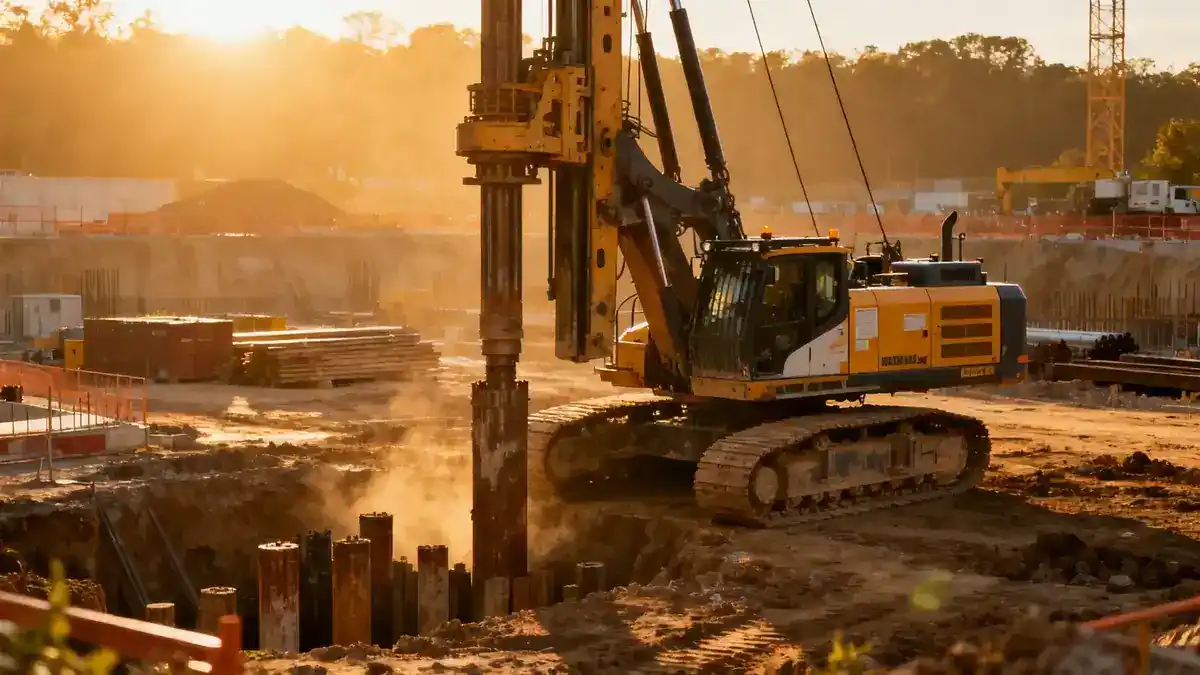
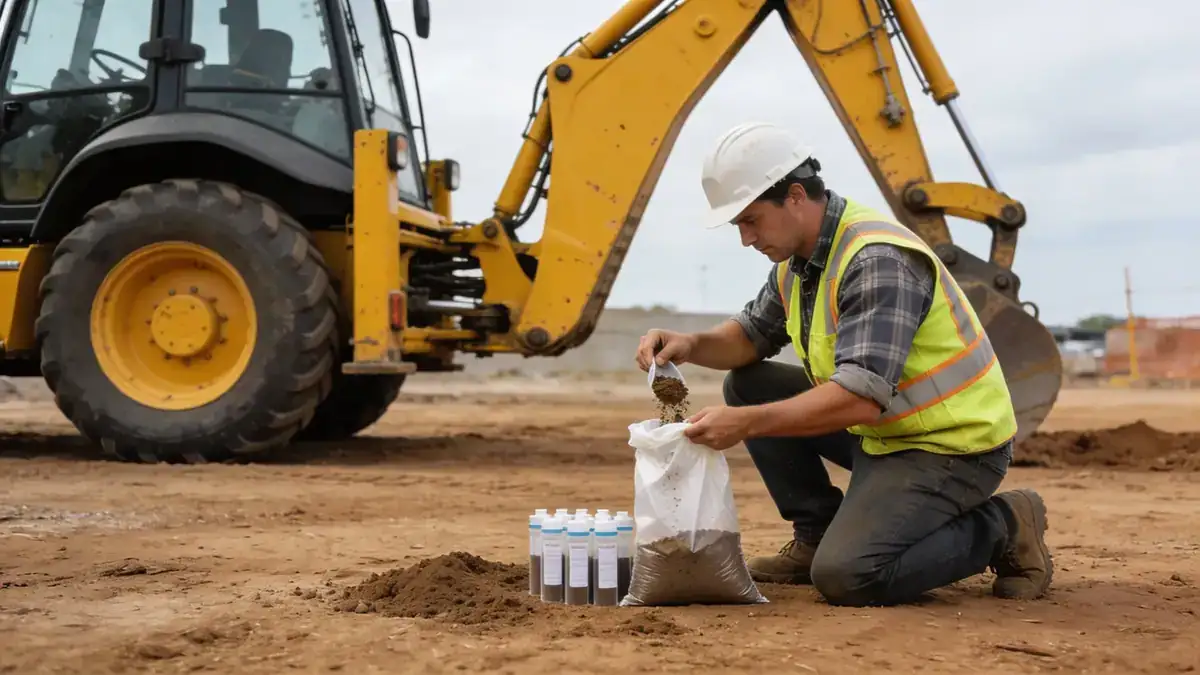
Our methodology for standard penetration testing in Tucson strictly follows ASTM D1586 procedures, employing a 63.5 kg hammer with 76 cm drop height to drive a split-barrel sampler into the subsurface. Borings are advanced at intervals of 1.0 to 1.5 meters, with continuous sampling in critical zones. We utilize rotary wash or hollow-stem auger methods to maintain borehole stability in Tucson's loose sands and gravels. Energy measurements are routinely conducted to calibrate hammer efficiency, ensuring N60 values are representative. In parallel, we offer cone penetration test (cpt) for continuous profiling in soft soils, complementing SPT data. Our approach integrates real-time data logging and on-site soil classification by experienced geologists, guaranteeing reliable results for every project.
Reference Technical Parameters
| Parameter | Reference Value |
|---|---|
| Predominant soil type | Alluvial sands, silts, gravels, with caliche layers |
| Maximum seismic acceleration (PGA) | 0.2g to 0.4g (per ASCE 7-16, Site Class D) |
| Typical groundwater level | 15 to 45 meters below surface (variable) |
| Bedrock depth | Greater than 30 meters in basin areas |
| Typical N60 range | 10 to 50 blows/0.3m (sands); 4 to 20 (silts) |
Local Considerations — Tucson
Tucson's geology is dominated by basin-fill deposits from the Santa Cruz River and alluvial fans, with cemented caliche horizons at shallow depths that can impede drilling. Groundwater levels vary significantly, typically exceeding 15 meters, but perched aquifers may occur near the river. Seismic hazard is moderate due to regional faults; our investigations incorporate ASCE 7-16 seismic site classification. In older neighborhoods like Barrio Viejo, fill materials from historic construction require careful SPT sampling. For clients needing regional coordination, we also provide standard penetration test en Phoenix, ensuring consistent methodology across Arizona.
Request a Quote
Our team reviews your project and issues an initial report at no cost.
Or write us directly at [email protected]
Services in Tucson
Applicable Standards
- ASTM D1586 (Standard Test Method for SPT)
- ASCE 7-16 (Minimum Design Loads for Buildings)
- IBC 2021 (International Building Code)
- Arizona Administrative Code Title 9 (Environmental)
Frequently Asked Questions
Why is standard penetration testing important in Tucson's soil conditions?
Tucson's arid climate creates variable alluvial soils with caliche layers that can affect foundation performance. SPT provides direct N-values to assess soil density and strength, essential for designing footings and retaining walls. Proper testing mitigates risks of differential settlement in these heterogeneous deposits.
What seismic design considerations apply to Tucson based on SPT data?
Tucson lies in Seismic Design Category C per ASCE 7-16, with a maximum considered earthquake spectral acceleration (SDS) of 0.2-0.4g. SPT N-values help determine Site Class D (stiff soil) or E (soft soil), directly influencing base shear calculations and drift limits for structures.
Are geotechnical investigations mandatory for construction projects in Tucson?
While not universally required for all residential work, most commercial and multi-family projects in Tucson mandate a geotechnical report per IBC 2021 and local building codes. Lenders and insurers often require subsurface investigations to evaluate soil bearing capacity and liquefaction potential.