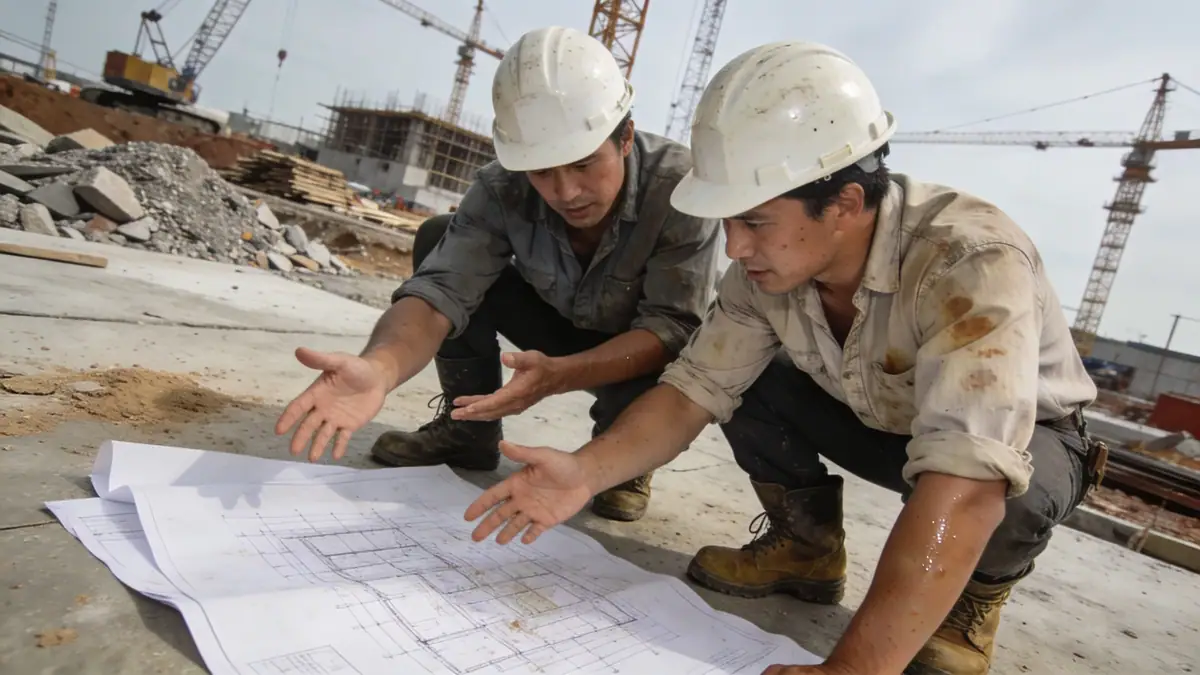
Methodology
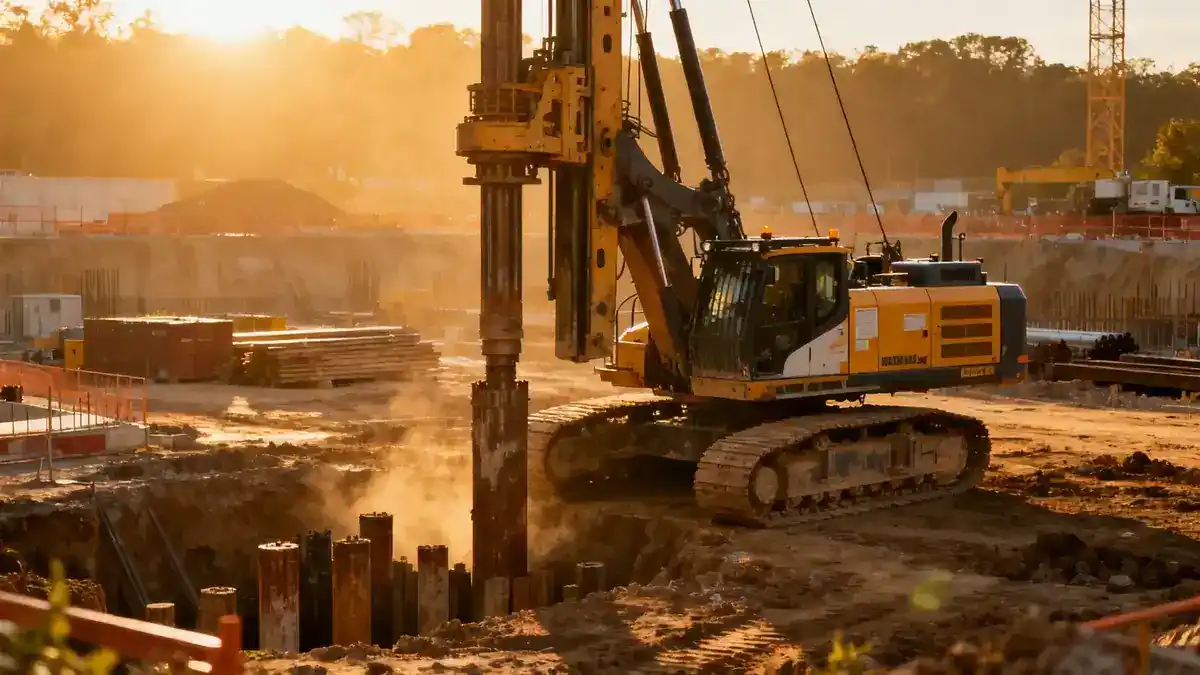
Our methodology for standard penetration test in Tempe Arizona follows ASTM D1586, with a safety hammer and automatic trip mechanism. We record blow counts per 6-inch interval, with N-values corrected for overburden and energy efficiency. Sampling intervals are typically every 1.5 m, extending to refusal or to depths of 15–30 m depending on project scale. Disturbed and undisturbed samples are retrieved for laboratory classification, including grain size analysis (ASTM D6913) and Atterberg limits (ASTM D4318). Data interpretation integrates local geological models and seismic site classification per ASCE 7-16. For advanced profiling, we complement SPT with cone penetration test (cpt) soundings.
Reference Technical Parameters
| Parameter | Reference Value |
|---|---|
| Predominant soil type | Silty sand and clayey sand (SM-SC) |
| Maximum seismic acceleration (PGA) | 0.2g to 0.3g (ASCE 7-16) |
| Typical groundwater level | 3 to 8 m below grade |
| Bedrock depth | >30 m (deep basin sediments) |
| Typical N60 range | 5 to 30 blows/ft |
Local Considerations — Tempe Arizona
Tempe Arizona lies within the Salt River Valley, underlain by alluvial fan deposits and basin-fill sediments. Soils are predominantly silty sands and clays with variable compaction, requiring careful SPT energy corrections. The water table fluctuates seasonally, often encountered at 3–8 m depth, influencing liquefaction potential assessments. Seismic site class is typically D or E per ASCE 7-16, with PGA values of 0.2–0.3g. Older neighborhoods near downtown may have undocumented fills, while newer developments on the periphery feature natural alluvium. Our team routinely performs standard penetration test (spt) in Tempe Arizona for residential, commercial, and infrastructure projects, adapting sampling strategies to local variability.
Request a Quote
Our team reviews your project and issues an initial report at no cost.
Or write us directly at [email protected]
Services in Tempe Arizona
Applicable Standards
- ASTM D1586 (Standard Penetration Test)
- ASCE 7-16 (Minimum Design Loads for Buildings)
- IBC 2021 (International Building Code)
- AASHTO (for transportation projects)
Frequently Asked Questions
What soil types are typical in Tempe Arizona for SPT?
Common soils include silty sands (SM) and clayey sands (SC) from alluvial deposits. SPT N-values range from 5 to 30, with lower values near the surface. Deeper layers may contain cemented caliche horizons. Our firm provides site-specific characterization for reliable foundation design.
How does seismic hazard affect SPT testing in Tempe?
Tempe is in Seismic Design Category C per ASCE 7-16, with PGA up to 0.3g. SPT data is used for site classification (D or E) and liquefaction triggering evaluation. Corrections for fines content and overburden stress are applied per industry standards.
Are SPT borings required for building permits in Tempe?
Yes, most commercial and multi-family projects require geotechnical investigation per IBC 2021. SPT borings are the primary method to determine bearing capacity and settlement parameters. Our reports meet local building department requirements and facilitate permit approval.