Methodology

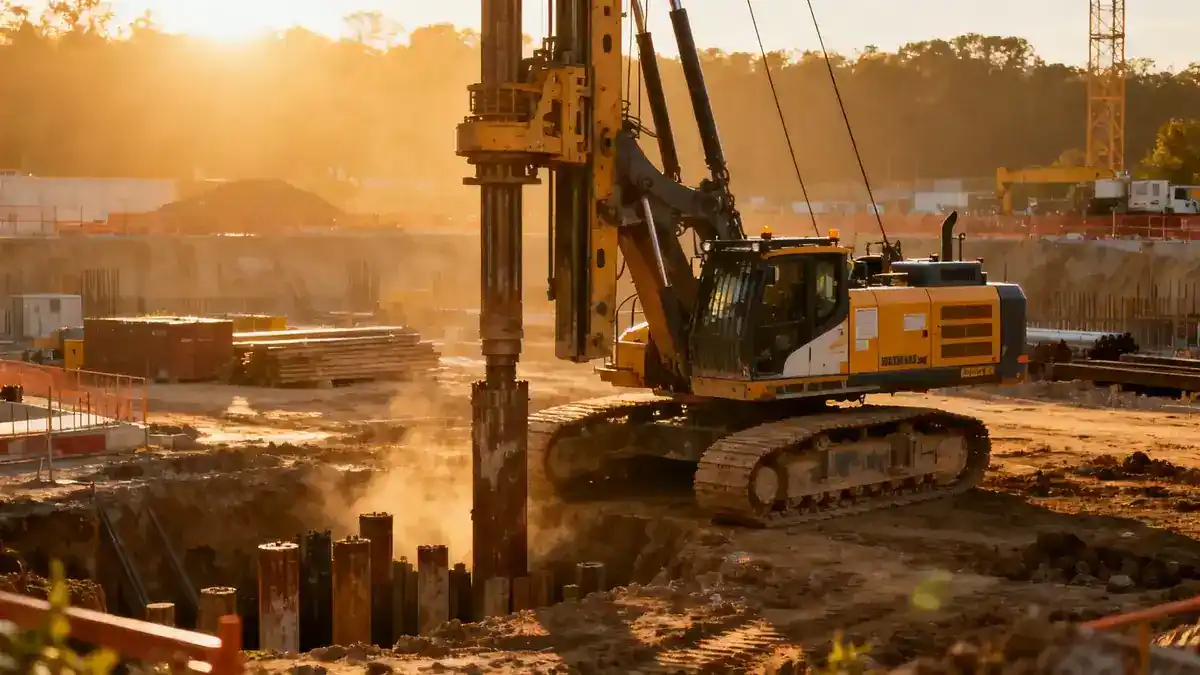
Our methodology for standard penetration tests in Tacoma follows ASTM D1586, employing a 63.5 kg hammer dropped 0.76 m to drive a split-spoon sampler. We record blow counts per 0.15 m interval to determine N-values, which are corrected for overburden and energy efficiency to N60. This data is integrated with standard penetration test (spt) procedures to characterize soil layers, density, and strength, forming the basis for liquefaction assessment and foundation recommendations.
Reference Technical Parameters
| Parameter | Reference Value |
|---|---|
| Predominant soil type | Glacial till and alluvial sands/gravels |
| Maximum seismic acceleration (PGA) | 0.3–0.4 g (ASCE 7 seismic design category D) |
| Typical groundwater level | 3–6 m below surface |
| Bedrock depth | 10–30 m (variable, deeper in valley fill) |
| Typical N60 range | 10–60 blows/0.3 m (varies with soil type) |
Local Considerations — Tacoma
Tacoma's geology is dominated by glacial till, alluvial deposits, and occasional peat layers near the Puyallup River delta. Groundwater is typically encountered at 3–6 m depth, influencing liquefaction potential under seismic loading. The city's proximity to the Cascadia subduction zone mandates compliance with ASCE 7 for seismic design. Our team has extensive experience in Tacoma's diverse neighborhoods, from downtown fill areas to hillside glacial deposits, ensuring reliable SPT data for projects ranging from residential to industrial. For broader regional context, see our standard penetration test en Seattle hub.
Request a Quote
Our team reviews your project and issues an initial report at no cost.
Or write us directly at [email protected]
Services in Tacoma
Applicable Standards
- ASTM D1586
- ASCE 7
- IBC (International Building Code)
- WAC 296-155 (Washington Administrative Code)
Frequently Asked Questions
What soil types are typical in Tacoma for standard penetration testing?
Tacoma's soils are predominantly glacial till (dense sands/gravels) and alluvial deposits (sands, silts, clays) from the Puyallup River. Peat layers are found in low-lying areas. SPT N-values typically range from 10 to 60, reflecting variable density and consistency.
How does seismic design affect standard penetration test requirements in Tacoma?
Tacoma lies in a high-seismicity zone (ASCE 7 category D). SPT data is essential for liquefaction assessment and site class determination. Our tests follow ASTM D1586 with energy correction to N60, providing reliable parameters for seismic foundation design.
Is a standard penetration test mandatory for construction in Tacoma?
While not always mandatory, most building permits require a geotechnical report. SPT is the standard method for subsurface characterization, especially for structures with seismic risk. Local jurisdictions often require SPT boring to depths of 10–30 m depending on project scale.