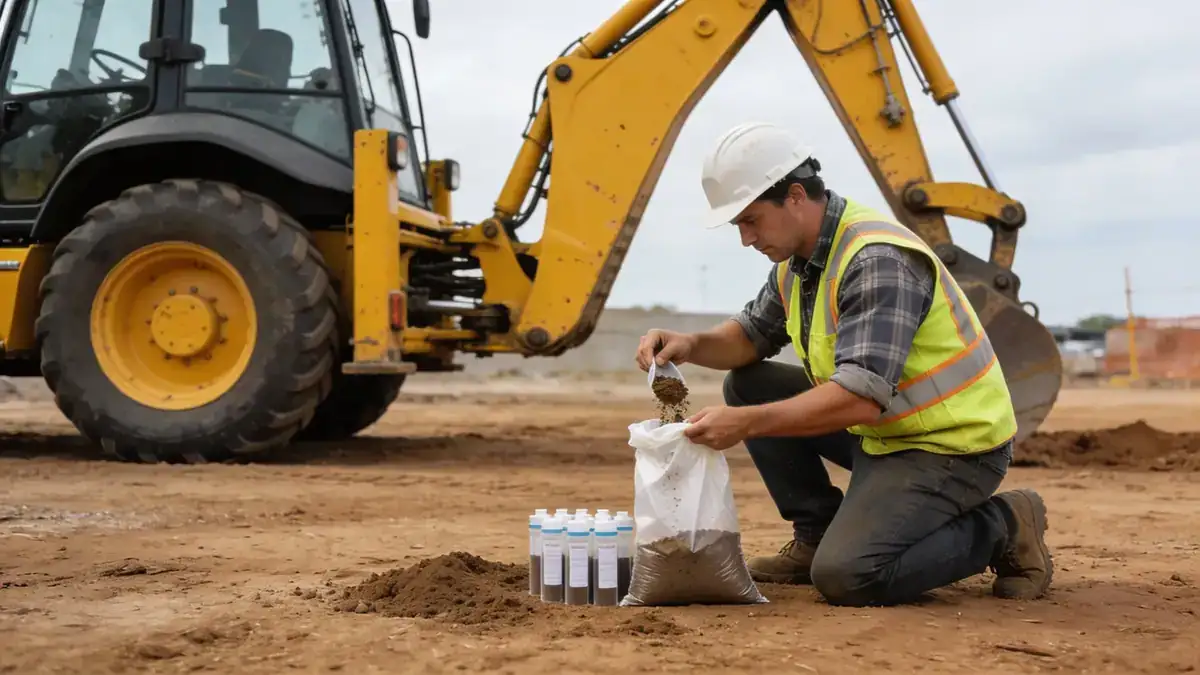
Methodology
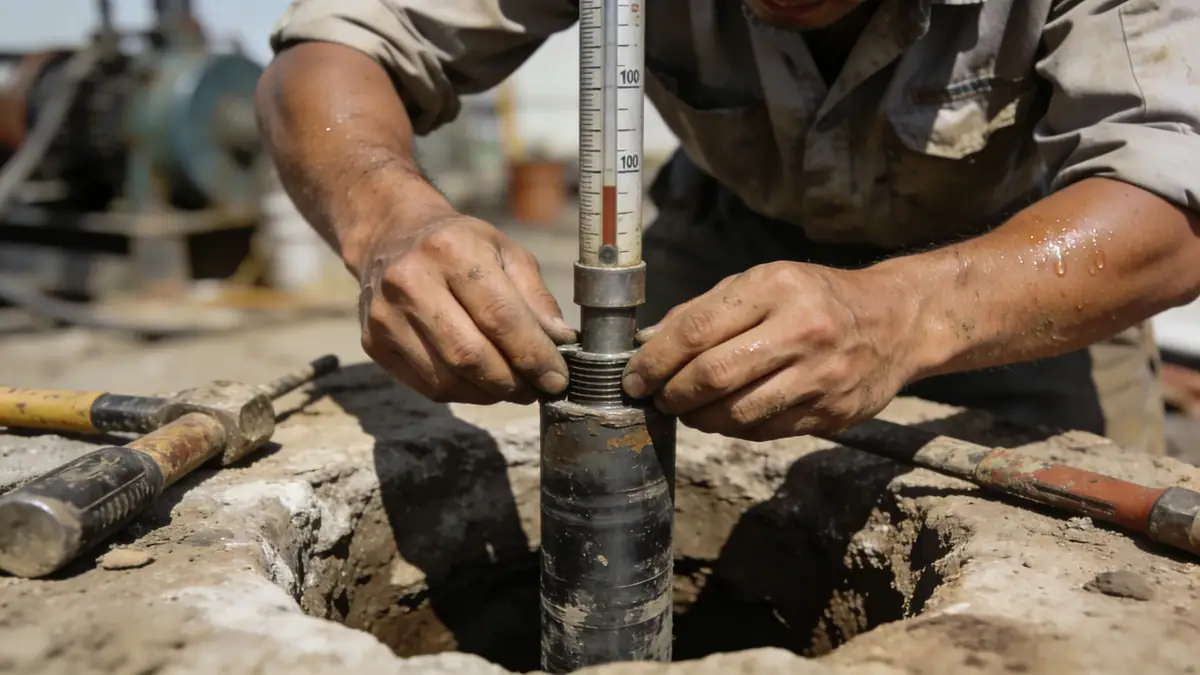
Our methodology for standard penetration testing in Scottsdale follows strict ASTM D1586 protocols. We perform SPT borings at 1.5-meter intervals, recording blow counts (N-value) and collecting disturbed samples for laboratory classification. Field procedures include continuous sampling in critical zones, such as near groundwater or suspected collapsible layers. For advanced profiling, we integrate cone penetration test (cpt) data to validate SPT results. Our equipment is calibrated to industry standards, and all tests are supervised by experienced geotechnical engineers. This rigorous approach ensures reliable soil parameters for design.
Reference Technical Parameters
| Parameter | Reference Value |
|---|---|
| Predominant soil type | Silty sands (SM) and poorly graded sands (SP) with gravel |
| Maximum seismic acceleration (PGA) | 0.2g to 0.3g (ASCE 7-16, Site Class D) |
| Typical groundwater level | 20-40 meters below ground surface |
| Bedrock depth | 30-50 meters (variable, deeper in central areas) |
| Typical N60 range | 10-30 blows/0.3m (loose to medium dense sands) |
Local Considerations — Scottsdale
Scottsdale's geology consists of alluvial fan deposits from the McDowell Mountains, with interbedded sands, gravels, and silts. Shallow soils are often loose and collapsible upon wetting, requiring careful SPT evaluation. Groundwater is deep (20-40 m), but perched aquifers may occur near canals. Seismic hazard is moderate (PGA up to 0.3g), with site class D prevalent. Older neighborhoods near downtown may have undocumented fills, while newer developments in north Scottsdale encounter denser alluvium. Our team addresses these contrasts by tailoring sampling intervals and depths. For broader regional context, our standard penetration test en Phoenix services complement local investigations.
Request a Quote
Our team reviews your project and issues an initial report at no cost.
Or write us directly at [email protected]
Services in Scottsdale
Applicable Standards
- ASTM D1586
- ASCE 7-16
- IBC 2021
- City of Scottsdale Engineering Design Standards
- Arizona Department of Transportation (ADOT) Geotechnical Manual
Frequently Asked Questions
What soil types are commonly found in Scottsdale?
Scottsdale's soils are primarily alluvial sands and silts derived from mountain erosion. Typical soil types include poorly graded sands (SP), silty sands (SM), and occasional gravel layers. Collapsible soils are present in some areas, necessitating careful SPT evaluation.
Is seismic analysis required for projects in Scottsdale?
Yes, Scottsdale lies in a moderate seismic zone. The International Building Code (IBC) requires site-specific seismic analysis with SPT data to determine site class and liquefaction potential. Our testing provides N-values essential for ASCE 7-16 compliance.
Are geotechnical investigations mandatory for residential construction in Scottsdale?
While not always mandatory for single-family homes, the City of Scottsdale strongly recommends geotechnical reports for new construction. Many lenders and structural engineers require SPT data to ensure safe foundation design on variable desert soils.