Methodology
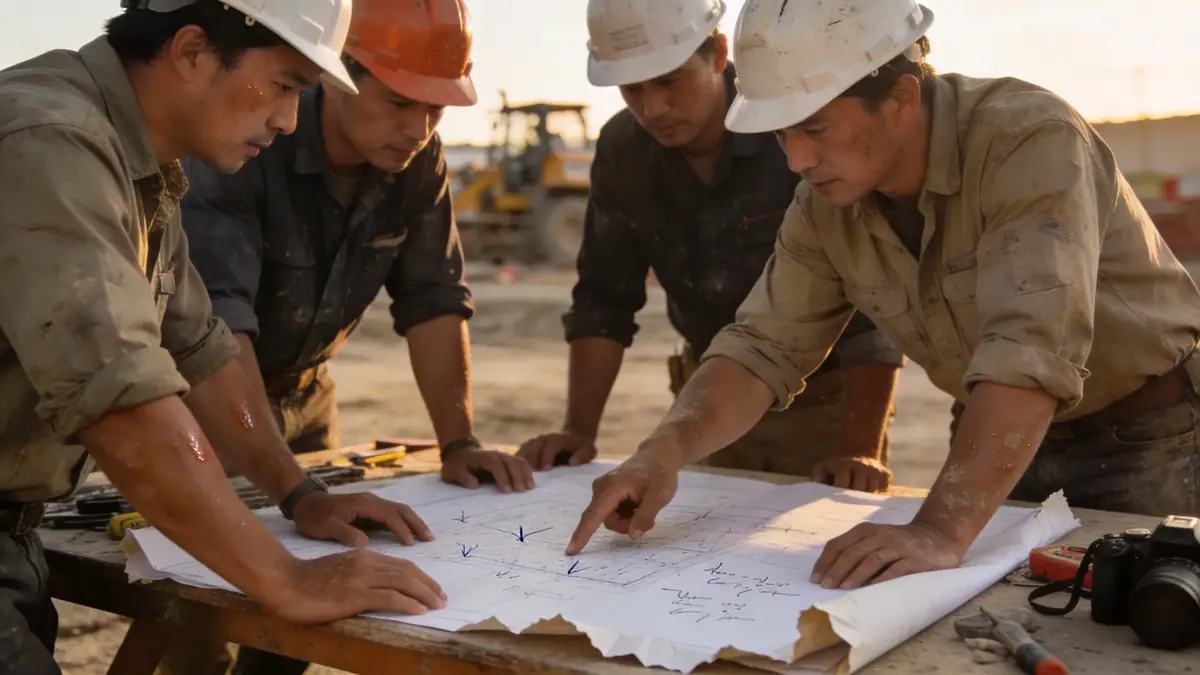
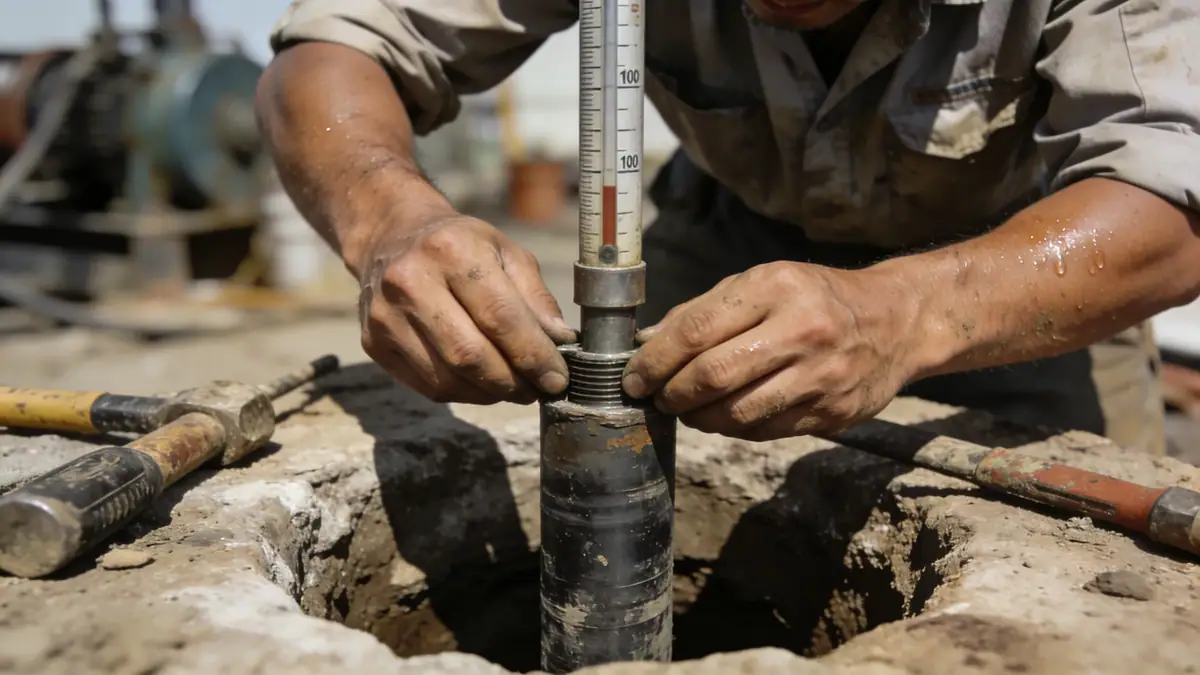
Our methodology for standard penetration test in Mesa follows strict ASTM D1586 procedures to ensure consistent and repeatable results. We deploy truck-mounted drill rigs equipped with automatic hammers to advance boreholes to depths typically ranging from 8 to 30 meters, depending on project requirements. Soil samples are collected at 1.5-meter intervals using a standard split-spoon sampler, with blow counts recorded for each 150 mm increment. The N-value is corrected for hammer energy efficiency to obtain N60, which is then correlated with soil strength parameters. For detailed profiling, we integrate SPT with cone penetration test (cpt) where continuous stratigraphic data is needed. All field data is reviewed by senior geotechnical engineers to verify quality and adherence to project specifications.
Reference Technical Parameters
| Parameter | Reference Value |
|---|---|
| Predominant soil type | Alluvial sands and silty sands with gravel layers |
| Maximum seismic acceleration (PGA) | 0.4g (per ASCE 7-16, Site Class D) |
| Typical groundwater level | 10–25 m below ground surface |
| Bedrock depth | 15–50 m (variable, deeper in eastern Mesa) |
| Typical N60 range | 10–40 blows/ft (sands); 5–15 blows/ft (silts) |
Local Considerations — Mesa
Mesa’s geology is dominated by alluvial deposits from the Salt River, consisting of interbedded sands, silts, and gravels. Groundwater levels are generally deep (10–25 m), but shallow perched zones may occur near irrigation canals. Seismic hazard is moderate, with a design PGA of 0.4g per ASCE 7-16 for Site Class D. Older neighborhoods (e.g., downtown) often have undocumented fill, requiring careful SPT evaluation. New developments in eastern Mesa encounter deeper bedrock and denser sands. For projects requiring regional context, our standard penetration test en Phoenix provides comparable expertise across the metro area. We also recommend dpsh dynamic probing for rapid profiling in uniform sand deposits.
Request a Quote
Our team reviews your project and issues an initial report at no cost.
Or write us directly at [email protected]
Services in Mesa
Applicable Standards
- ASTM D1586
- ASCE 7-16
- IBC 2021
- City of Mesa Geotechnical Report Guidelines
Frequently Asked Questions
What soil conditions are typical for standard penetration test in Mesa?
Mesa’s soils are predominantly alluvial sands, silty sands, and gravels, with occasional clay lenses. SPT N60 values range from 10 to 40 blows/ft in sands, indicating medium to dense conditions. Groundwater is generally deep, reducing the need for dewatering during drilling.
How does seismic design affect SPT requirements in Mesa?
Mesa is in Seismic Design Category D per ASCE 7-16, with a PGA of 0.4g. SPT data is used to determine Site Class (typically D or E) and to evaluate liquefaction potential in saturated sands. Deeper borings (up to 30 m) may be required for tall structures.
Are SPT studies mandatory for all construction projects in Mesa?
The City of Mesa requires geotechnical investigations for most commercial and multi-family projects. Single-family homes on undisturbed native soil may be exempt, but SPT is often recommended to verify bearing capacity and settlement. Always check local building codes.