
Methodology
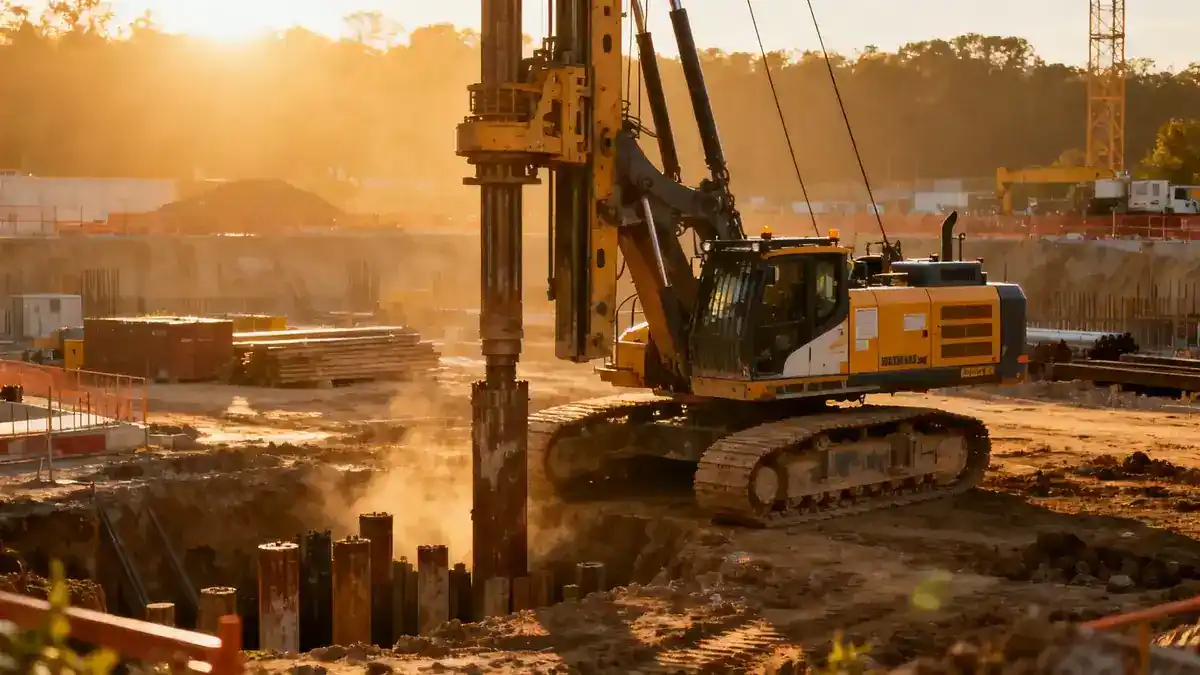
Our standard penetration testing (SPT) methodology in Boise follows strict ASTM D1586 protocols. We utilize automatic trip hammers and calibrated cathead systems to ensure consistent energy delivery of 60% ±5%. Borings are advanced using hollow-stem augers with continuous sampling at 1.5 m intervals, or as specified by project geotechnical requirements. All soil samples are logged in accordance with the Unified Soil Classification System (USCS). For comprehensive subsurface profiling, we integrate cone penetration test (cpt) data where soft soils or variable stratigraphy demand continuous records. Our field procedures include monitoring groundwater levels and performing standard penetration tests at every meter, with N-values corrected for overburden pressure and hammer energy efficiency.
Reference Technical Parameters
| Parameter | Reference Value |
|---|---|
| Predominant soil type | Alluvial silts and sands (SM, ML) over lacustrine clays (CL, CH) |
| Maximum seismic acceleration (PGA) | 0.2g (10% exceedance in 50 years per ASCE 7-16) |
| Typical groundwater level | 3 to 10 m below ground surface (seasonal variation) |
| Bedrock depth | 30 to 60 m (Columbia River Basalt Group) |
| Typical N60 range | 5 to 30 blows/0.3 m (varies with depth and soil type) |
Local Considerations — Boise
Boise's subsurface conditions are dominated by alluvial fans from the Boise River and lacustrine deposits from ancient Lake Idaho. Near downtown, shallow silty sands (SM) with N60 values of 10-20 are common, underlain by stiff clays (CL) at 6-10 m depth. In the North End, colluvial soils over basalt bedrock present excavation challenges. The foothills region exhibits variable fill and decomposed granite. Seismic site classification per ASCE 7-16 typically yields Site Class D (stiff soil) or C (very dense soil) depending on depth to bedrock. Our team integrates these local conditions with standard penetration testing to assess liquefaction potential and foundation settlement. For broader geotechnical context, we reference our standard penetration test (spt) services and coordinate with dpsh dynamic probing for rapid profiling in shallow soils.
Request a Quote
Our team reviews your project and issues an initial report at no cost.
Or write us directly at [email protected]
Services in Boise
Applicable Standards
- ASTM D1586 (Standard Test Method for Standard Penetration Test)
- ASCE 7-16 (Minimum Design Loads for Buildings and Other Structures)
- IBC 2018 (International Building Code, adopted by Idaho)
- Boise City Code, Title 6 (Buildings and Construction)
Frequently Asked Questions
What types of soil are typically encountered during standard penetration testing in Boise?
Boise's subsurface consists mainly of alluvial silts and sands (SM, ML) from the Boise River floodplain, underlain by lacustrine clays (CL, CH) from ancient Lake Idaho. In foothills and northern areas, colluvial soils and weathered basalt are common. SPT N-values vary widely, from 5-15 in loose sands to 30+ in dense gravels.
Is standard penetration testing required for residential construction in Boise?
While not mandatory for all single-family homes, the Boise City Code requires geotechnical investigations for projects in seismic design categories D or above, or where liquefaction potential exists. Most lenders and structural engineers recommend SPT borings to a depth of at least 10 m to characterize soil strength and settlement.
How does the seismic environment of Boise affect standard penetration test requirements?
Boise lies in a moderate seismic zone (PGA ≈ 0.2g) with potential for strong ground motions from the nearby Intermountain Seismic Belt. SPT-derived N-values are critical for liquefaction assessment of sandy soils and for determining site class per ASCE 7-16, which directly influences design base shear.